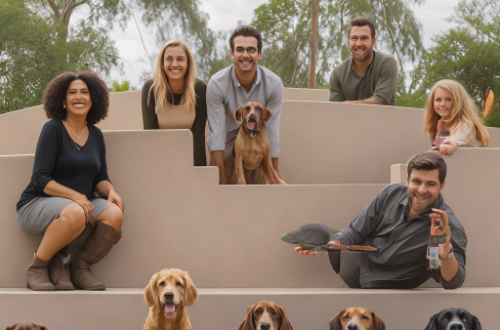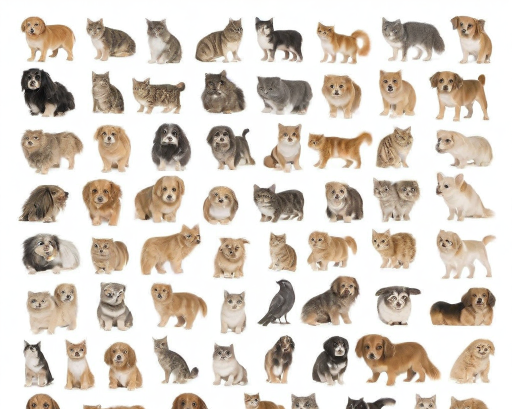
The cityscape is changing, but not just with new buildings and transit lines. A quieter, furrier revolution is taking place in apartments, condos, and townhouses across the globe. From the familiar bark echoing in a dog park to the silent glide of a fish in a tank, urban centers are experiencing a significant and sustained growth in pet populations. This trend, driven by profound shifts in lifestyle, demographics, and technology, is reshaping our cities, challenging infrastructure, and redefining the human-animal bond in the 21st century. Understanding this “metropolis menagerie” requires looking beyond simple companionship to the complex interplay of sociology, economics, and urban planning.
The drivers of this urban pet boom are multifaceted, rooted in deep-seated human needs and modern societal shifts. A primary catalyst is the changing demographic landscape. With people marrying later, having fewer children, and an increasing number of individuals living alone, pets are filling crucial emotional and social roles. They provide unconditional companionship, combat loneliness, and offer a sense of purpose and routine. For many urban dwellers, a dog or cat is not just a pet but a family member, a confidant, and a stabilizing presence in the often-impersonal rush of city life. Furthermore, the COVID-19 pandemic acted as a powerful accelerant. During lockdowns and periods of isolation, the demand for pets skyrocketed, as people sought comfort and a reason to engage with the outdoors. This “pandemic pet” phenomenon, while initially a surge, has cemented long-term ownership for many, permanently altering the urban animal demographic.
Concurrent with these social factors is the dramatic evolution of the urban environment itself to become more “pet-accommodating.” The market has responded with vigor to this new class of consumers—pet parents. We see a proliferation of pet-friendly rental apartments, complete with dog-washing stations and rooftop runs. Offices are increasingly adopting pet-friendly policies. The pet economy has exploded, offering premium services like gourmet food delivery, pet physiotherapy, DNA testing, daycare, luxury boarding hotels, and even pet psychics. Technology fuels this with apps for walkers, sitters, and veterinarians on demand. This normalization and commodification of premium pet care have made pet ownership in the city not only more feasible but also a lifestyle statement. It’s easier than ever to acquire a pet, with rescue organizations, breeders, and even online marketplaces facilitating the process, though not always ethically. This perfect storm of demand, accommodation, and supply has created a self-reinforcing cycle of growth.
However, this growth is not without significant challenges and ethical complexities that cities must urgently address. One of the most pressing issues is animal welfare. The surge in demand, particularly during the pandemic, led to impulsive acquisitions, which in some cases resulted in a later surge in surrenders to already overburdened shelters. Backyard breeding and puppy mills may be incentivized by high demand, often resulting in animals with health and behavioral problems. Within the city, limited space can lead to issues like inadequate exercise for high-energy dogs, contributing to obesity and anxiety. Access to affordable veterinary care, especially for lower-income residents, remains a critical barrier, leading to untreated illnesses and contributing to overpopulation.
The physical and social infrastructure of cities is also being tested. Public spaces like parks are becoming contested territory between pet owners and other residents. Issues of noise (barking in dense housing), waste management (inadequate disposal), and public safety (leash laws and aggressive animals) require nuanced management and enforcement. Housing inequality is exacerbated; pet-friendly housing is often more expensive, creating an additional burden for low-to-middle-income pet owners who may face exorbitant pet deposits or outright bans. Furthermore, the environmental pawprint of pets, from the carbon footprint of meat-based pet food to the plastic waste from toys and packaging, is an emerging concern that clashes with urban sustainability goals. These challenges highlight that urban pet population growth is not merely a private matter but a public policy issue requiring thoughtful regulation, community education, and investment in resources like public dog parks, low-cost clinics, and clear municipal guidelines.
Perhaps the most profound impact of this trend is the redefinition of the human-animal bond within an urban context. Pets are increasingly recognized not as possessions but as emotional support systems and contributors to public health. Studies consistently show that pet ownership can reduce stress, lower blood pressure, encourage physical activity, and foster social connections among neighbors in often-anonymous apartment blocks. The rise of emotional support animals and therapy animal programs underscores this shift in perception. However, this deepened bond also raises complex questions. Are we anthropomorphizing our pets to a degree that may not be in their best interest? Does the expectation for a dog to thrive in a 500-square-foot apartment align with its ethological needs? The urban pet phenomenon forces a societal conversation about responsible ownership that prioritizes the animal’s welfare alongside human desire. It calls for a move beyond “pet-friendly” to “pet-responsible” cities that design inclusive spaces, promote adoption and spay/neuter programs, and support owners with resources rather than just products.
The growth of the urban pet population is a defining characteristic of modern city life, a testament to our enduring need for connection in an increasingly digital and fragmented world. It has spawned a vibrant economy, softened the hard edges of metropolitan living, and provided immeasurable comfort to millions. Yet, this metropolis menagerie comes with a responsibility that extends from the individual owner to the highest levels of urban planning. The path forward lies not in curbing this growth, but in managing it with compassion and foresight. Cities must evolve to become truly cohabitative spaces—where the well-being of all species is considered. This means investing in green spaces, supporting ethical breeding and adoption practices, ensuring equitable access to veterinary care, and fostering a community culture of respect and responsibility. Ultimately, the success of our urban future may well be measured not just by our skyscrapers and transit systems, but by how we care for the four-legged, finned, and feathered companions who choose to share it with us.