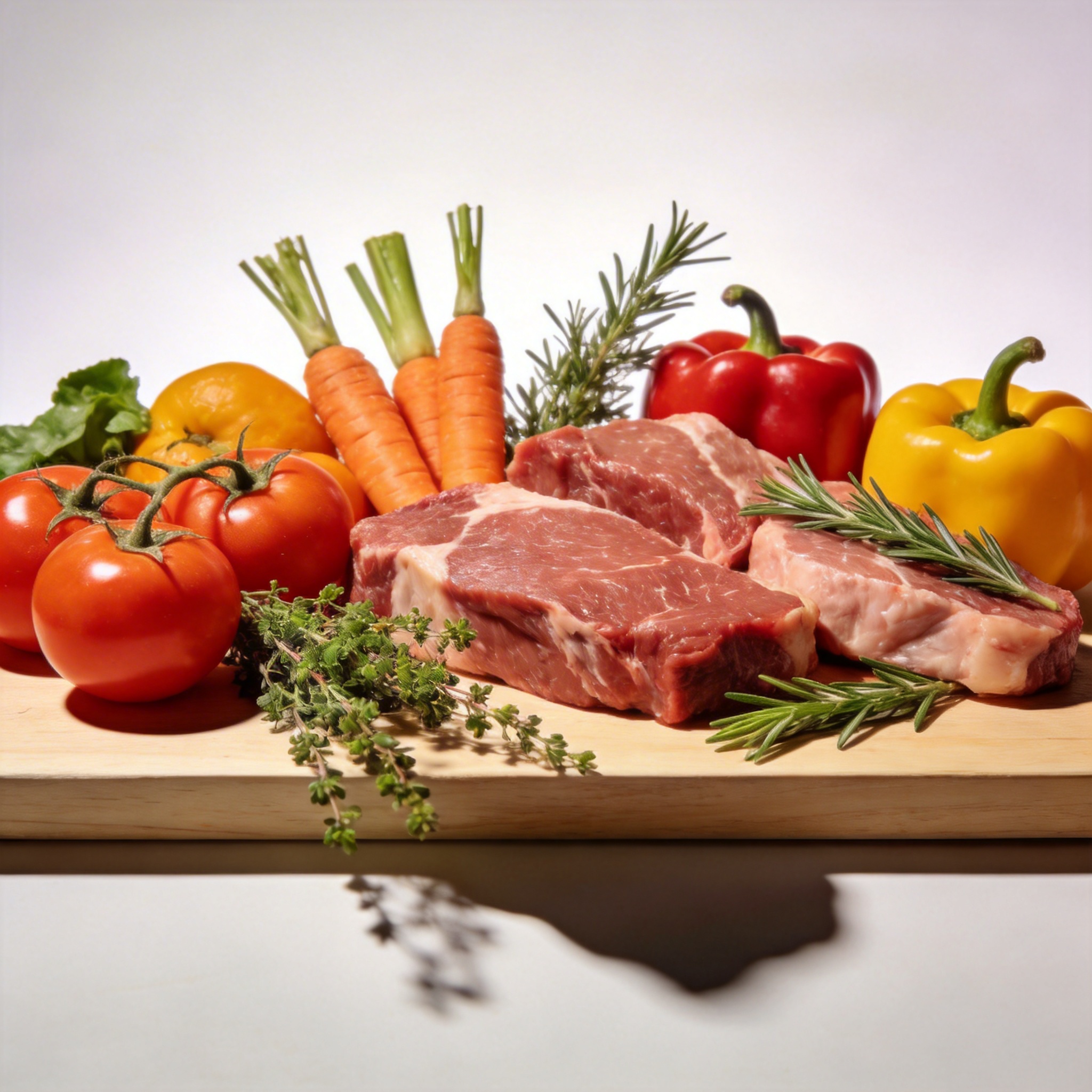
For years, savvy consumers have scoured food labels, learned to pronounce xanthan gum, and memorized lists of “chemicals to avoid.” The next wave in conscientious consumption is here, and it’s all about provenance, quality, and a single, powerful phrase: human-grade ingredients. No longer confined to the shelves of boutique pet food, this term is revolutionizing how we think about everything from protein powders and supplements to snacks and meal kits. But what does it truly mean? Is it a meaningful standard or just another marketing buzzword designed to justify a higher price tag? With a decade of navigating the ever-evolving landscape of wellness and nutrition content, I’ve learned that the truth lies not in the label itself, but in the rigorous standards, ethical implications, and tangible benefits that lie behind it. Let’s peel back the layers and explore why human-grade is becoming the gold standard for a growing number of health-conscious individuals.
Decoding the Jargon: What “Human-Grade” Actually Means
At its core, “human-grade” is a claim about the quality and handling of ingredients from source to finished product. Unlike formal, government-regulated terms like “organic” or “non-GMO,” the phrase “human-grade” itself is not a legal definition enforced by the FDA for human food in the same way. Its power comes from its implicit promise: every ingredient in the product is sourced, processed, stored, and handled in facilities that meet the stringent safety and quality standards required for food destined for human consumption. This is a significantly higher bar than many alternatives.
The Alternative: Feed-Grade and Industrial Ingredients
To understand human-grade, we must understand what it is not. Much of the processed food and supplement industry relies on “feed-grade” or industrial-quality ingredients. These materials may be perfectly safe in a technical sense, but they are often by-products of other processes. Think of it this way: the pristine, whole chicken breast you buy at the butcher is human-grade. The leftover parts, bones, and offal that are rendered, dried, and powdered for use in lower-quality supplements or processed foods are often considered feed-grade. They might come from facilities with different (often less rigorous) cleanliness protocols, and their primary concern is efficiency and shelf stability, not optimal nutrient density or purity.
The Pillars of a Human-Grade Standard
A commitment to human-grade ingredients typically rests on several key pillars:
- Sourcing: Ingredients are chosen from suppliers who explicitly provide food fit for human consumption. This often means whole-food sources, not synthetic isolates or processed derivatives.
- Facility Certification: The entire manufacturing process occurs in a FDA-inspected and certified facility that follows Current Good Manufacturing Practices (cGMPs) for human food. This ensures hygiene, contamination control, and traceability that far exceeds typical supplement facility standards.
- Processing: Methods are designed to preserve nutritional integrity. This often means minimal processing, low-temperature techniques, and avoiding harsh chemical solvents or excessive heat that can denature proteins and destroy delicate vitamins and enzymes.
- Transparency: Brands using true human-grade ingredients are usually eager to share their sourcing stories, facility certifications, and batch testing results. There’s a clear “chain of custody” you can follow.
Beyond the Label: The Tangible Benefits for Your Health
Choosing products made with human-grade ingredients isn’t just an ethical or aesthetic choice; it can have a direct impact on your health and how your body responds to what you put into it. The benefits extend far beyond a feel-good factor.
Superior Nutrient Absorption and Bioavailability
Your body is designed to recognize and utilize nutrients from whole foods. Human-grade ingredients, by their nature, are closer to their whole-food state. The proteins, fats, vitamins, and minerals are in their natural matrices and complexes, which the body is evolutionarily adapted to absorb efficiently. For example, a human-grade collagen peptide sourced from grass-fed bovine hides processed gently will have a more complete amino acid profile and better bioavailability than a feed-grade collagen that has been heavily processed and may contain fillers. You are literally getting more usable nutrition per scoop.
Reduced Exposure to Contaminants and Unwanted Additives
The stringent facility and handling requirements for human food drastically lower the risk of contamination from pathogens, heavy metals, or environmental pollutants. Furthermore, when you start with high-quality, whole ingredients, there’s less need for a long list of artificial stabilizers, flow agents, anti-caking agents, and synthetic flavorings to mask off-tastes or improve texture. A human-grade protein powder might contain just three ingredients: whey protein isolate (from milk), organic cocoa, and a touch of natural sweetener like monk fruit. Its industrial counterpart might contain a dozen, including soy lecithin, artificial flavors, and various gums.
Digestive Comfort and Allergen Clarity
Many people who experience bloating, gas, or discomfort with standard supplements or processed foods find they tolerate human-grade versions much better. This is often due to the absence of low-quality fillers, harsh processing residues, and synthetic additives that can irritate the gut lining. Additionally, the transparency of sourcing makes it easier to avoid specific allergens or sensitivities, as you know exactly what you’re getting and where it came from.
The Ripple Effect: Ethical, Environmental, and Economic Impacts
The choice for human-grade ingredients creates a positive ripple effect that extends beyond personal health. It’s a vote for a different kind of supply chain and food system.
Supporting Ethical Sourcing and Animal Welfare
Human-grade standards often go hand-in-hand with higher ethical sourcing. For animal-derived ingredients (like collagen, bone broth, or certain proteins), it implies the animals were raised in conditions suitable for producing human food. This frequently, though not automatically, aligns with practices like free-ranging, grass-fed, and hormone-free farming. You are supporting agricultural practices that value animal welfare and environmental stewardship over pure industrial yield.
Driving Industry Standards Upward
Consumer demand is the most powerful force for change. By choosing and paying a premium for human-grade products, we send a clear market signal that quality, transparency, and safety are non-negotiable. This pressures larger manufacturers to improve their own standards and encourages more brands to enter the space with integrity-focused missions. It lifts the entire industry’s baseline.
Reducing Waste Through Valorization
In a clever and sustainable twist, the human-grade movement is pioneering the concept of “culinary upcycling.” This means using every part of an animal or plant that is already destined for human food consumption in creative, nutritious ways. For instance, using salmon skins from a fillet operation to make salmon skin crisps or using pulped vegetables from a juicery to make fiber-rich snack bars. This reduces food waste while creating new, high-quality products from resources that were previously discarded or downgraded to feed-grade.
Navigating the Marketplace: How to Be a Discerning Shopper
With the term’s growing popularity, greenwashing is inevitable. Some brands may use “human-grade” loosely. Your job as an informed consumer is to look beyond the front label.
- Dig into the “About Us” and FAQ Pages: Legitimate brands will proudly detail their manufacturing partners and facility certifications (e.g., “Made in an FDA-registered, cGMP facility”).
- Scrutinize the Ingredient Deck: Look for whole-food ingredients you recognize. Be wary of long lists of chemical-sounding names, which are indicators of heavy processing.
- Seek Third-Party Verification: Look for seals from independent testing organizations that verify purity, potency, and the absence of contaminants. This adds a crucial layer of accountability.
- Contact the Company: Don’t hesitate to email customer service with specific questions about sourcing and manufacturing. A transparent company will have clear, prompt answers.
A Conclusion Rooted in Conscious Choice
The shift toward human-grade ingredients is more than a trend; it’s a reflection of a deeper cultural movement toward mindfulness in consumption. It represents a desire to reconnect with our food, to understand its origins, and to honor the journey from farm to table (or to shaker bottle). While it may come with a higher upfront cost, this investment pays dividends in potential health benefits, digestive peace, and the satisfaction of supporting a more transparent and ethical food system. In a world flooded with processed options and clever marketing, choosing human-grade is a powerful way to take definitive control over the quality of the fuel you provide your body. It’s a commitment to treating your own health with the same high standards you would expect for any other precious aspect of your life. Ultimately, it’s a simple yet profound principle: you deserve food that is good enough for you.