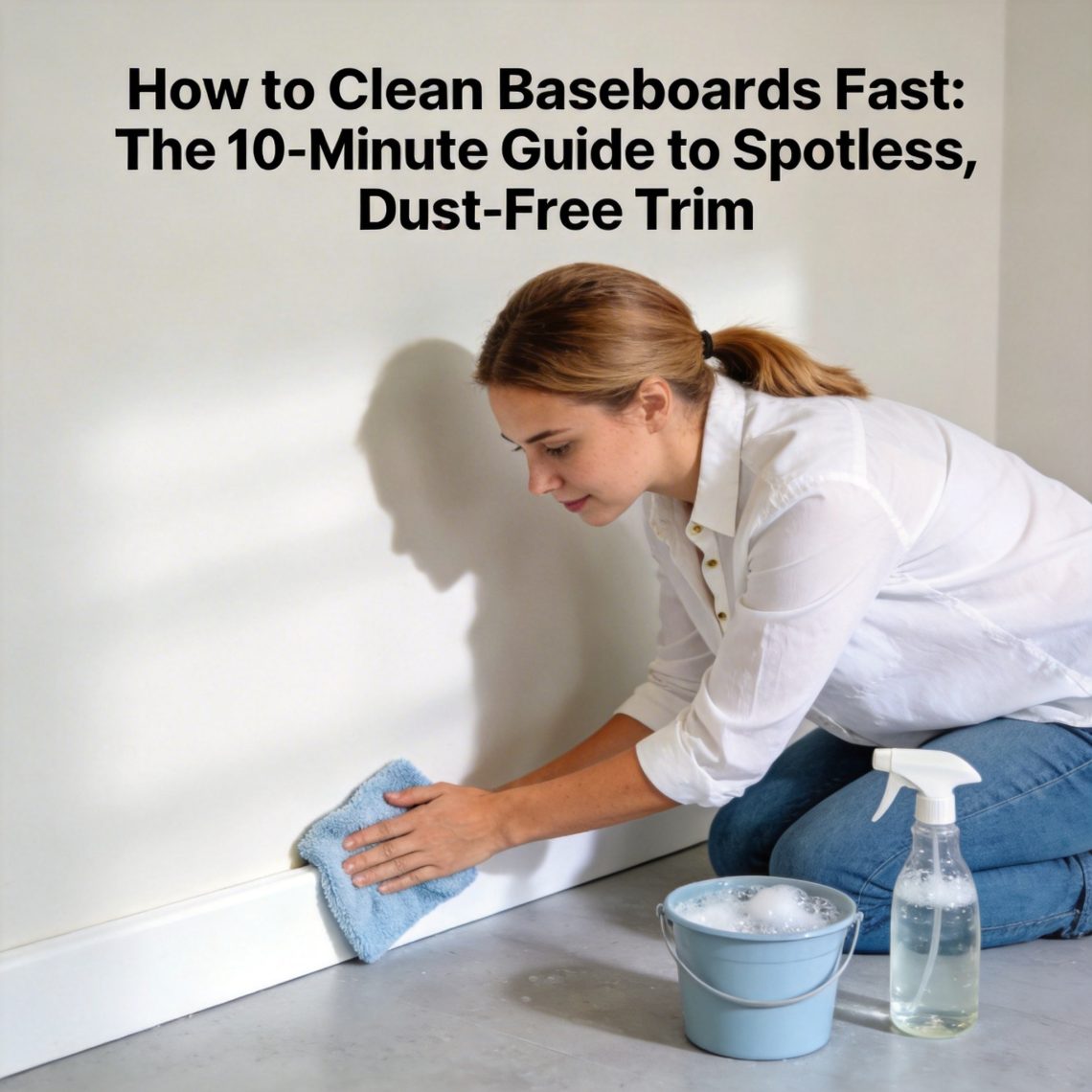
We’ve all been there: you spend hours mopping the floor, dusting the shelves, and cleaning the countertops, but then you glance down and notice the baseboards. They’re caked with dust, dotted with shoe scuffs, and covered in pet hair that’s been accumulating for months. The thought of getting on your knees and scrubbing every inch of trim makes you want to walk away. But what if you could clean your baseboards fast—like, in 10 minutes flat?
Baseboards are the unsung heroes of your home’s interior: they hide gaps between walls and floors, add a finished look to any room, and protect walls from scuffs and splatters. But because they’re low to the ground, they collect dirt, dust, and debris that we often overlook until it’s impossible to ignore. The good news is that cleaning them doesn’t have to be a chore. With the right tools, a strategic approach, and a few pro hacks, you can have spotless baseboards in less time than it takes to make a cup of coffee.
Why Baseboards Get So Dirty (and Why You Shouldn’t Ignore Them)
The Hidden Grime Magnets: What Makes Baseboards Dirty
Baseboards are the ultimate grime magnets, and it’s not just because they’re close to the floor. Every day, a steady stream of debris lands on them: dust from the air settles on the top edge, shoe scuffs from walking in and out mark the front, pet hair sticks to the bottom where it meets the floor, and splatters from mopping, cooking, or even kids’ crafts leave sticky spots. For homes with hardwood floors, dust and dirt get pushed against the baseboards during sweeping or mopping, creating thick, caked-on layers that are hard to remove. In homes with carpet, baseboards catch pet dander and dust mites that fall from the fibers, making them a hotbed for allergens.
The Risks of Neglecting Baseboard Cleaning
Ignoring baseboard cleaning isn’t just an aesthetic issue—it can actually harm your home and your health. First, the accumulated dust and dander can trigger allergies and asthma symptoms, especially in children or pets. Over time, caked-on dirt can scratch wood baseboards or penetrate painted surfaces, making it harder to clean them later and potentially requiring a fresh coat of paint or refinishing. Moisture from splatters that’s left on baseboards can warp wood or cause paint to peel, leading to costly repairs. And let’s not forget the aesthetic impact: even the cleanest room looks unkempt when the baseboards are dirty. It’s like wearing a crisp shirt with stained socks—you notice the inconsistency right away.
Prepping to Clean Baseboards Fast (5-Minute Setup)
Gather Your Fast-Cleaning Tools (3-Minute Prep)
The key to fast baseboard cleaning is using the right tools—you don’t need fancy equipment, just a few essentials that make the job quick and easy. Here’s what you’ll need:
- Microfiber cloths (2-3): One for dry dusting, one for wet cleaning, and one for drying. Microfiber traps dust better than regular cloths and leaves no streaks.
- Vacuum with a brush attachment: A handheld vacuum works great for small spaces, but a full-size vacuum with a soft brush attachment will blast away loose dust in seconds.
- Magic Eraser: Perfect for tough shoe scuffs and crayon marks (test on an inconspicuous spot first to avoid damaging paint).
- All-purpose cleaner (or DIY solution): A gentle all-purpose cleaner works for most baseboards, but you can make your own with 1 part white vinegar, 4 parts warm water, and a drop of dish soap.
- Old toothbrush: Ideal for cleaning crevices, decorative molding, and tight corners where cloths can’t reach.
- Bucket or spray bottle: For mixing your cleaning solution (spray bottles are better for fast application without drips).
- Old towel: To catch any drips or falling debris and protect your floors.
Prep the Area in 2 Minutes
Before you start cleaning, take 2 minutes to prep the area so you don’t waste time mid-cleanup. First, push any furniture (sofas, bookshelves, tables) a few inches away from the baseboards—you don’t need to move them all the way, just enough to get access to the entire trim. Lay down an old towel along the baseboard to catch any drips from your wet cloth or cleaner. If you have carpet, use the vacuum to quickly suck up any loose dirt on the edge of the carpet to avoid tracking grime onto clean areas. Finally, remove any small items (like shoe racks, toys, or floor lamps) that are in the way. This setup ensures you can move quickly without stopping to clear obstacles.
The 10-Minute Step-by-Step Fast Cleaning Method
Step 1: Blast Away Loose Dust & Debris (2 Minutes)
Start with dry cleaning to avoid smearing dust into a muddy paste. Grab your vacuum with the soft brush attachment and run it along the top edge of the baseboard (where it meets the wall), then the front surface, and finally the bottom edge where it meets the floor. For tight corners or decorative molding, use the vacuum’s crevice tool to suck up dust in hard-to-reach spots. If you don’t have a vacuum, wrap a microfiber cloth around a broomstick or paint roller handle to reach high baseboards without bending over. For pet hair, a rubber broom (or even a rubber glove) works wonders—rub it along the baseboard, and the pet hair will stick to the rubber, making it easy to wipe off.
Step 2: Tackle Tough Stains & Scuffs (3 Minutes)
Now it’s time to target the stubborn spots. Walk around the room and identify any shoe scuffs, crayon marks, or sticky splatters. For painted or laminate baseboards, dampen a Magic Eraser with warm water (squeeze out excess moisture) and gently rub the scuff in circular motions—remember to test on an inconspicuous spot first, as Magic Erasers can remove glossy paint if you rub too hard. For wood baseboards, use a damp microfiber cloth with a small amount of wood cleaner instead of abrasive tools to avoid scratching. For sticky spots, spray a small amount of all-purpose cleaner onto your cloth (not directly on the baseboard) and let it sit for 10 seconds before wiping. Use an old toothbrush to scrub crevices or molding where dirt is caked on—this will get into gaps that cloths can’t reach.
Step 3: Wipe Down for a Streak-Free Shine (3 Minutes)
Fill your spray bottle with your cleaning solution (or bucket with warm water and cleaner). For wood baseboards, use a wood-specific cleaner to avoid damaging the finish. Spray a small amount of solution onto your microfiber cloth (don’t spray directly onto the baseboard—this prevents excess moisture) and wipe the entire front surface of the baseboard. Work in small sections (2-3 feet at a time) to avoid letting the solution dry before you can wipe it. Every few sections, rinse your cloth in clean warm water to avoid spreading grime. After wiping with the damp cloth, grab a dry microfiber cloth and go over the same area immediately to dry it—this prevents water spots and streaks, especially on glossy painted or wood baseboards.
Step 4: Touch Up Crevices & Hard-to-Reach Spots (2 Minutes)
Finish up by touching up any spots you missed. Use the dry toothbrush to brush out any remaining dust from the top edge of the baseboard where it meets the wall. Wrap a microfiber cloth around the toothbrush to pick up dust from decorative molding or tight corners. If you notice any remaining scuffs, touch them up with the Magic Eraser or cleaner. Finally, run a dry microfiber cloth along the entire baseboard one last time to catch any missed dust or streaks. This step ensures your baseboards are truly spotless and takes just 2 minutes.
Pro Hacks to Keep Baseboards Clean Longer (So You Don’t Have to Scrub as Often)
Create a Quick Weekly Maintenance Routine
The best way to avoid deep cleaning baseboards is to maintain them weekly. Spend 2 minutes every Sunday running a microfiber duster or vacuum brush attachment over your baseboards. This prevents dust from building up into thick, caked-on layers. For pet owners, add a 30-second lint roll to pick up pet hair that accumulates on the bottom edge. This small weekly task means you’ll never have to spend an hour scrubbing baseboards again.
Apply a Protective Coating
After cleaning your baseboards, apply a thin layer of furniture polish to wood baseboards—this creates a barrier that repels dust and makes future cleaning easier. For painted baseboards, apply a clear wax sealant (test on a small spot first) to protect against scuffs and splatters. This way, grime sits on top of the coating instead of sinking into the paint or wood, making it easy to wipe away with a dry cloth.
Use Door Mats & Shoe Racks to Reduce Scuffs
Ninety percent of shoe scuffs on baseboards come from dirt and debris on shoes. Place heavy-duty door mats both inside and outside all entry doors to trap dirt before it gets to your baseboards. Encourage everyone in the household to take off their shoes inside—this eliminates most scuffs entirely. Use a shoe rack by the door to keep shoes off the floor and prevent accidental scuffs when people are putting on or taking off their shoes.
Pet Owners’ Special Tips
Pet owners know that baseboards are a magnet for pet hair, dander, and scratches. Here are a few hacks to keep them clean:
- Use a rubber broom weekly to sweep pet hair off the baseboard bottom edge—rubber attracts pet hair better than cloth.
- Trim your pet’s nails regularly to prevent scratches on wood or painted baseboards.
- If your pet likes to rub against baseboards, wipe them down with a pet-safe cleaner once a week to remove oils and dander.
Common Baseboard Cleaning Mistakes to Avoid (That Slow You Down)
Skipping the Dry Dust First
One of the biggest mistakes people make is jumping straight to wet cleaning. When you wipe a wet cloth over dry dust, you turn it into a muddy paste that smears all over the baseboard, making it harder to clean and taking twice as long. Always start with a dry dust or vacuum to remove loose debris first—this saves you time and frustration later.
Using Too Much Water
Over-wetting your cloth can cause wood baseboards to warp, paint to peel, or leave unsightly water spots. For all baseboard types, use a damp (not soaking wet) cloth. If you’re using a liquid cleaner, spray it onto the cloth instead of directly onto the baseboard to avoid excess moisture. This simple step prevents damage and ensures your baseboards dry quickly.
Scrubbing Aggressively on Delicate Surfaces
Glossy painted baseboards, wood veneer, or laminate trim can scratch easily if you scrub too hard with a rough sponge or Magic Eraser. Gently rub in circular motions instead of scrubbing back and forth. For delicate surfaces, use a soft microfiber cloth instead of abrasive tools. If a spot is really tough, let the cleaner sit for a few seconds before wiping to loosen the grime.
Forgetting to Dry Them Properly
Leaving baseboards wet can lead to water spots, mold growth (in humid areas), or warping. Always follow up a damp wipe with a dry microfiber cloth to absorb any remaining moisture. This step takes just a minute but makes a huge difference in the final result.
Conclusion: Enjoy Your Spotless Baseboards in 15 Minutes Total
Cleaning baseboards doesn’t have to be a tedious chore. With 5 minutes of prep, 10 minutes of cleaning, and a few pro hacks to maintain them, you can have spotless, dust-free baseboards that make your entire home feel cleaner. The key to fast cleaning is working smart, not hard: start with dry dusting to avoid smearing, use targeted tools for tough spots, and follow up with a quick dry to prevent streaks.
Next time you’re tidying up a room, take 15 minutes to give your baseboards some love. You’ll be surprised how much of a difference it makes—your room will feel more polished, your allergies might improve, and you’ll avoid costly repairs down the line. And with the weekly maintenance routine, you’ll never have to dread baseboard cleaning again.
Do you have a favorite baseboard cleaning hack? Share it in the comments below—we’d love to hear your tips!