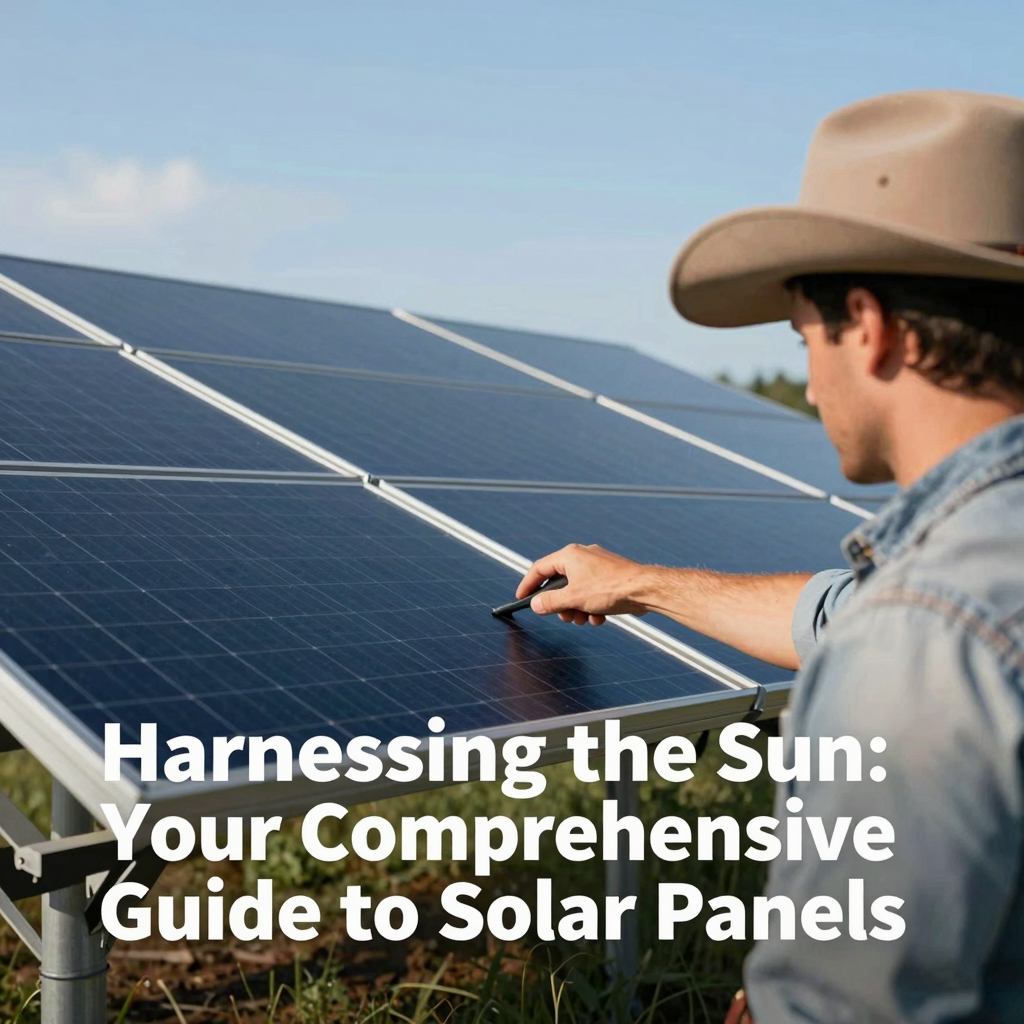
The sun, our nearest star, showers the Earth with an immense amount of energy every single day. Capturing even a fraction of this clean, renewable power offers a compelling solution to our growing energy demands and environmental challenges. Solar panels, the technology that makes this possible, have evolved dramatically from niche applications to becoming a mainstream energy source for homes and businesses worldwide. This guide delves deep into the world of solar panels, exploring how they work, their benefits, the installation process, and what you need to know to make an informed decision about embracing solar energy.
Understanding the Science: How Do Solar Panels Actually Work?
At their core, solar panels are devices designed to convert sunlight directly into electricity. This process is known as the photovoltaic (PV) effect. While it might sound complex, the fundamental principle is relatively straightforward.
The Photovoltaic Effect Explained
Solar panels are primarily made up of numerous smaller units called solar cells. These cells are typically constructed from semiconductor materials, most commonly silicon. Semiconductors have unique electrical properties that allow them to conduct electricity under certain conditions. When sunlight, composed of particles of light called photons, strikes the surface of a solar cell, it can transfer its energy to the electrons within the semiconductor material.
This energy boost allows some electrons to break free from their atoms. Solar cells are engineered with a built-in electric field, often created by introducing different types of materials (like phosphorus and boron) to create a positive (p-type) and negative (n-type) layer. This electric field acts like a one-way street, pushing the freed electrons in a specific direction. This flow of electrons is what we know as electric current.
From Cells to Power: The Components of a Solar System
A single solar cell generates only a small amount of electricity. To produce useful amounts of power, many cells are electrically connected and sealed together within a protective laminate to form a solar panel or module. However, the panels themselves generate Direct Current (DC) electricity, which is the same type produced by batteries.
Most homes and businesses use Alternating Current (AC) electricity. Therefore, a crucial component of any solar power system is the inverter. The inverter’s job is to convert the DC electricity produced by the solar panels into usable AC electricity that can power your appliances and feed into the grid.
A complete grid-tied solar energy system typically includes:
- Solar Panels: Capture sunlight and generate DC electricity.
- Mounting System: Secures the panels to your roof or ground structure.
- Inverter(s): Convert DC electricity to AC electricity.
- Electrical Panel: Distributes the solar electricity to your home circuits.
- Utility Meter: Measures energy flow to and from the grid (net metering).
- Monitoring System: Tracks system performance and energy production.
Types of Solar Panels: Choosing the Right Technology
Not all solar panels are created equal. Different manufacturing processes result in panels with varying efficiencies, costs, appearances, and performance characteristics. Understanding the main types is key to selecting the best fit for your needs and budget.
Monocrystalline Solar Panels
Made from a single, pure crystal of silicon, monocrystalline panels are recognizable by their uniform dark color (usually black) and rounded edges (a result of the cylindrical crystal ingot).
- Pros: Highest efficiency rates (typically 20% or more), space-efficient (produce more power per square foot), longer lifespan, often perform better in low-light conditions.
- Cons: Most expensive option, the silicon manufacturing process can be more wasteful.
Monocrystalline panels are often the preferred choice when space is limited or when maximizing energy output is the primary goal.
Polycrystalline Solar Panels
These panels are made from fragments of silicon crystals melted together. They have a distinctive blue, speckled appearance and squared edges.
- Pros: Lower cost than monocrystalline panels, simpler manufacturing process.
- Cons: Lower efficiency (typically 15-17%), require more space for the same power output, slightly lower heat tolerance affecting performance slightly.
Polycrystalline panels offer a good balance of affordability and performance and were historically very popular.
Thin-Film Solar Panels
Thin-film technology involves depositing one or more thin layers of photovoltaic material onto a substrate like glass, plastic, or metal. There are different types, including Cadmium Telluride (CdTe), Copper Indium Gallium Selenide (CIGS), and Amorphous Silicon (a-Si).
- Pros: Lightweight and flexible (opening up unique installation possibilities), potentially lower manufacturing costs, less affected by high temperatures, uniform appearance.
- Cons: Lowest efficiency rates (typically 10-13%), require significantly more space, shorter lifespan and warranties compared to crystalline silicon panels, degradation rates can be higher.
Thin-film is often used in large-scale utility projects or specialized applications where weight or flexibility is critical, but it’s less common for standard residential rooftops.
Emerging Technologies: PERC, Bifacial, and More
The solar industry is constantly innovating. Technologies like Passivated Emitter and Rear Cell (PERC) enhance the efficiency of traditional silicon cells by capturing more light. Bifacial panels can generate power from both sides by capturing sunlight reflected off surfaces like rooftops or the ground below. While these offer performance advantages, they often come at a premium cost.
The Compelling Case for Solar: Benefits Beyond the Bill
Investing in solar panels offers a multitude of advantages, extending far beyond just reducing your monthly electricity bill. The benefits encompass financial savings, environmental impact, energy independence, and property value.
Significant Financial Savings
The most immediate and tangible benefit is the reduction in your electricity costs. By generating your own power, you purchase less from the utility company. Over the system’s lifespan (typically 25+ years), these savings can amount to tens of thousands of dollars, effectively paying for the system and then providing “free” electricity for years afterward. The return on investment (ROI) depends on factors like your local electricity rates, solar incentives, system cost, and energy consumption.
Reducing Your Environmental Footprint
Solar energy is a clean, renewable resource. Unlike fossil fuels, generating electricity from solar panels produces no air pollution, greenhouse gases, or harmful emissions. By switching to solar, you directly contribute to reducing your carbon footprint and combating climate change. A typical residential solar system can offset several tons of carbon dioxide emissions annually – equivalent to planting hundreds of trees each year.
Energy Independence and Security
Generating your own electricity provides a degree of independence from the traditional utility grid and volatile energy prices. While most systems are grid-tied for net metering benefits, adding battery storage allows you to store excess solar energy for use during power outages or peak rate periods, enhancing your home’s resilience.
Increasing Property Value
Multiple studies have shown that homes equipped with solar panel systems tend to sell for more than comparable homes without them. Buyers are increasingly valuing the prospect of lower energy bills and a smaller environmental impact. Solar panels are viewed as a valuable upgrade, similar to a renovated kitchen.
Government Incentives and Rebates
To encourage solar adoption, governments offer various financial incentives. The most significant is the federal Investment Tax Credit (ITC) in the US, which allows you to deduct a percentage of your solar system cost from your federal taxes. Many states, counties, and utilities also offer additional rebates, tax credits, or performance-based incentives (PBIs), significantly lowering the net cost of installation.
The Solar Installation Journey: What to Expect
Transitioning to solar energy involves several key steps. Understanding this process helps set realistic expectations.
Initial Consultation and Site Assessment
It typically begins with contacting reputable solar installers for consultations. They will discuss your energy needs, review your electricity bills, and conduct a preliminary assessment of your property (often remotely using satellite imagery initially). Key factors evaluated include:
- Roof Suitability: Size, shape, orientation (south-facing is best in the Northern Hemisphere), pitch, shading from trees or chimneys, and structural integrity.
- Energy Consumption: Your historical electricity usage patterns determine the optimal system size.
System Design and Proposal
Based on the assessment, the installer designs a system tailored to your specific site and energy goals. They will provide a detailed proposal outlining:
- System size (in kilowatts, kW)
- Estimated annual energy production (kilowatt-hours, kWh)
- Equipment specifications (panel brands, inverter type)
- Projected cost and financing options
- Estimated savings and payback period
- Available incentives
Financing and Agreements
Once you choose an installer and proposal, you’ll finalize financing (purchase, loan, or lease/PPA) and sign contracts. The installer will then handle the necessary permitting applications with your local building department and utility company.
Installation and Inspection
The physical installation usually takes one to three days. A crew will mount the racking system, secure the panels, install the inverter(s), and connect the electrical wiring. After installation, a local building inspector and your utility company representative will visit to ensure the system meets all safety codes and regulations.
Permission to Operate (PTO)
Once inspections pass, your utility grants “Permission to Operate” (PTO). This is when you can officially turn your system on and start generating solar power and earning credits through net metering.
Choosing a Solar Installer: Key Considerations
Selecting the right solar installer is critical for a successful experience and optimal system performance. Here’s what to look for:
Experience and Reputation
- How long has the company been in business?
- What is their track record? Look for established companies with proven experience.
- Check reviews on trusted platforms (Google, SolarReviews, BBB).
Licensing and Certification
- Ensure the installer holds the necessary state and local contractor licenses.
- Look for certifications from organizations like the North American Board of Certified Energy Practitioners (NABCEP), indicating trained and qualified installers.
Quality of Equipment
- What brands of panels and inverters do they offer? Reputable installers typically partner with well-known, reliable manufacturers.
- Understand the warranties provided by the manufacturer (product warranty) and the installer (workmanship warranty).
Transparency and Communication
- Is the proposal clear and detailed? Avoid vague estimates.
- Are costs broken down? Understand what is included.
- Is the company responsive to your questions?
Financing Options
- Do they offer a variety of financing solutions (cash, loan, lease/PPA) to suit different budgets?
- Are the financing terms clearly explained?
Get multiple quotes (at least 3) to compare pricing, equipment, warranties, and projected savings. Don’t just choose the cheapest; consider the overall value and company reputation.
Overcoming Common Concerns and Misconceptions
Despite the advantages, some hesitations persist. Let’s address common concerns:
“Solar Panels Don’t Work When It’s Cloudy or Cold”
While direct sunlight is ideal, modern solar panels still generate electricity on cloudy days, albeit at reduced output. They actually operate more efficiently in cooler temperatures. Heat can slightly reduce panel efficiency. Snow can temporarily cover panels, but they often melt or slide off quickly, and cold, sunny winter days can be very productive.
“Solar Panels Require Too Much Maintenance”
Solar panels are remarkably low maintenance. They have no moving parts. Rain generally washes away most dirt and debris. Periodic cleaning (perhaps once or twice a year) with water, or checking for significant debris buildup, is usually sufficient. You should also monitor system performance via an app or online portal to ensure it’s functioning optimally.
“Solar Panels Will Damage My Roof”
Reputable installers take great care to protect your roof. Mounting systems are designed to seal around penetrations and often come with warranties. In fact, panels can shield the roof underneath from weather elements like UV rays and hail. A proper installation should not cause leaks. Ensure your roof is in good condition before installation.
“The Upfront Cost is Too High”
While the initial investment is significant, the long-term savings on electricity bills, combined with federal and local incentives, make solar financially viable for many. Financing options like loans and leases/PPAs can significantly reduce or eliminate upfront costs. Calculate the payback period and lifetime savings based on your specific situation.
“Technology Will Improve, I Should Wait”
Solar technology is always advancing. However, waiting means missing out on immediate savings and available incentives (like the federal ITC, which may decrease over time). The systems available today are reliable, efficient, and offer excellent returns. The best time to go solar is generally considered to be now.
The Future is Bright: Solar Energy on the Horizon
The solar industry is dynamic and evolving rapidly. We can expect continued improvements in panel efficiency, making systems even more productive per square foot. Battery storage technology is becoming more affordable and efficient, enabling greater energy independence and resilience. Innovations like building-integrated photovoltaics (BIPV), where solar elements are incorporated into roofing tiles or windows, offer aesthetic integration. Smart inverters and energy management systems will optimize solar production and home energy use.
As costs continue to decline and technology advances, solar power is poised to play an increasingly dominant role in the global energy mix, moving us closer to a sustainable, clean energy future.
Conclusion
Solar panels represent more than just a technology; they symbolize a shift towards a more sustainable and self-sufficient energy future. The ability to harness the abundant power of the sun offers significant financial savings through reduced electricity bills, substantial environmental benefits by lowering carbon footprints, increased energy security, and enhanced property value. While the initial investment requires consideration, the long-term returns, supported by government incentives and ever-improving technology, make solar an increasingly attractive option for homeowners and businesses alike.
By understanding the different types of panels, the installation process, and how to select a reputable installer, you are empowered to make an informed decision. Addressing common concerns reveals that solar is a practical, low-maintenance solution viable in diverse climates. As the industry continues to innovate, the efficiency and accessibility of solar power will only grow brighter. Embracing solar energy isn’t just about saving money; it’s an investment in a cleaner, more resilient, and sustainable future for ourselves and generations to come.