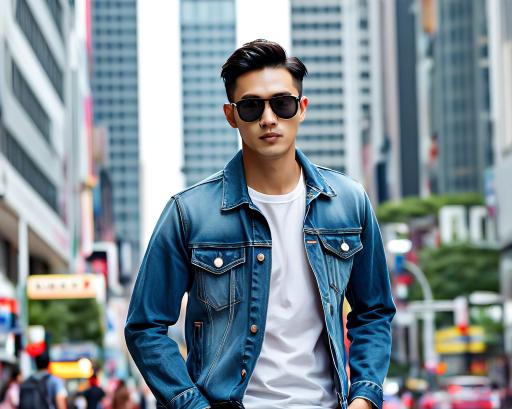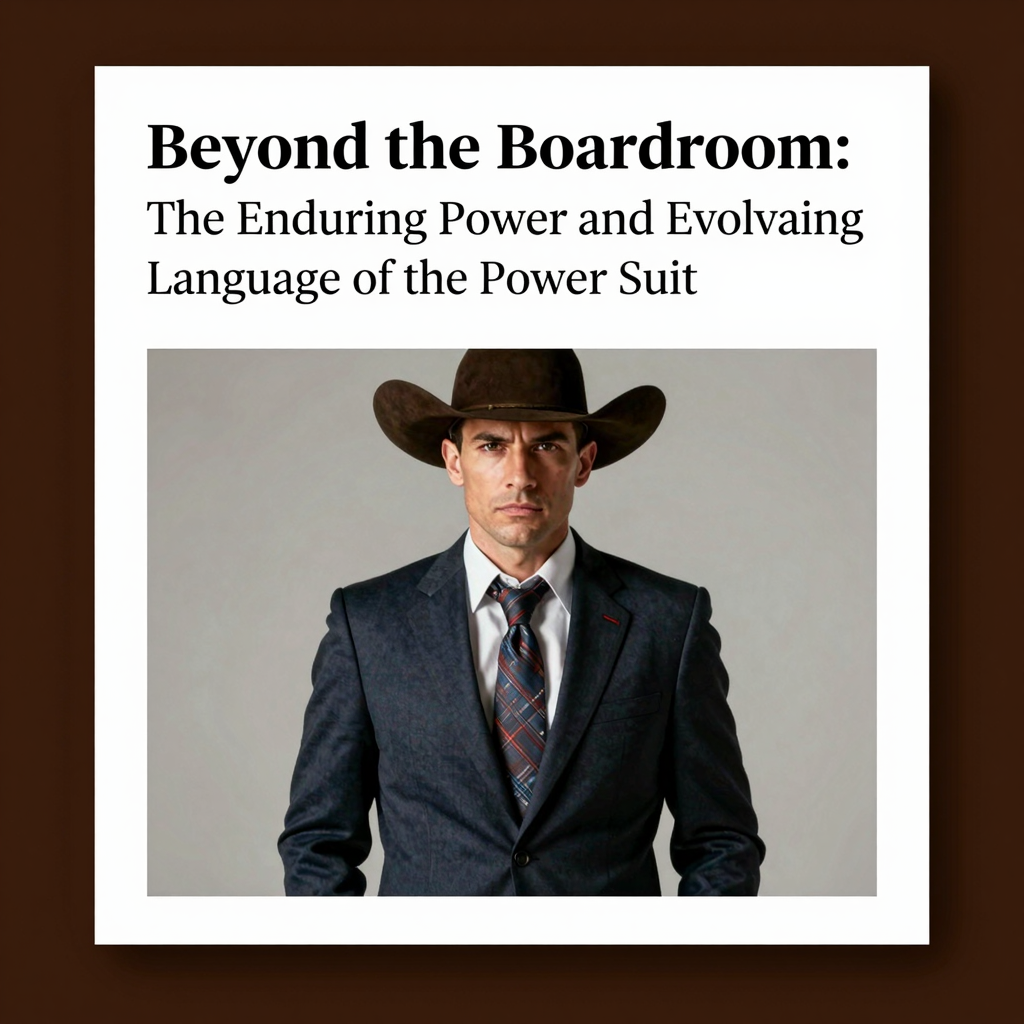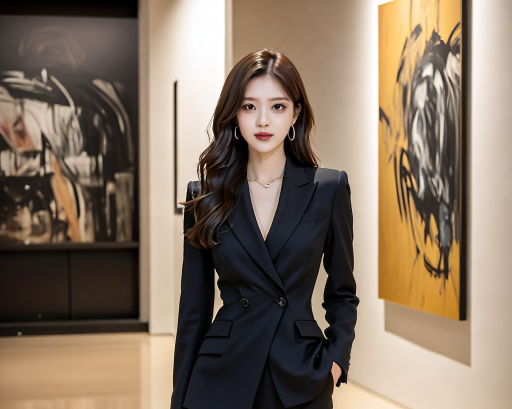
For decades, the term “power dressing” conjured a very specific image: the sharp, intimidating silhouette of the 1980s. Think Joan Collins in Dynasty—structured, oversized blazers with aggressive shoulder pads, pussy-bow blouses, and skirt suits that meant business, literally. It was armor, designed for women entering male-dominated corporate spaces to command a presence and be taken seriously. But fashion, like society, evolves. Today, power dressing has shed its rigid, one-note past. It’s no longer about mimicking masculine shapes to gain authority. Instead, modern power dressing is a nuanced, intentional practice of using clothing as a tool to project confidence, authenticity, and personal brand. It’s about feeling powerful from the inside, and letting that internal strength radiate outward through your style choices.
The contemporary philosophy of power dressing is rooted in psychological empowerment. The concept of “enclothed cognition”—the systematic influence that clothes have on the wearer’s psychological processes—is key. When you dress in a way that makes you feel capable, authoritative, and self-assured, you actually begin to think and act that way. A crisp, well-tailored blazer isn’t just fabric; it’s a trigger for a more focused, commanding mindset. This shift means that power is no longer a uniform. It’s a personal toolkit. For one person, power might be a flawlessly tailored pantsuit in a classic navy. For another, it could be a bold, artistic dress paired with statement jewelry. The power lies in the intentionality behind the choice, the alignment of your external presentation with your internal goals and identity.
The Pillars of Modern Power Dressing
While the rules are more flexible, certain foundational principles remain timeless. These are the pillars upon which you can build a powerful and authentic wardrobe.
1. Fit is Everything (The Non-Negotiable)
Nothing undermines authority faster than ill-fitting clothing. A baggy suit looks sloppy; a too-tight dress can be distracting and uncomfortable. Modern power dressing prioritizes impeccable fit above all else. This doesn’t necessarily mean expensive bespoke tailoring for every item (though it’s a worthy investment for staples), but it does mean knowing your measurements and what silhouettes flatter your body. A blazer should sit smoothly on the shoulders without pulling. Trousers should have a clean break at the shoe. Dresses should skim the body, not cling. Well-fitted clothing signals attention to detail, self-respect, and a professional standard you apply to yourself and your work.
2. Fabric and Quality Speak Volumes
The tactile experience of your clothes matters. Natural, high-quality fabrics like wool, silk, linen, and high-grade cotton not only look better but also feel better, which boosts your confidence. They drape elegantly, resist wrinkling, and maintain their structure. A suit in a fine wool blend conveys a level of seriousness and investment that polyester simply cannot. Prioritizing fewer, higher-quality pieces over a closet full of fast fashion is a powerful statement in itself—it speaks to sustainability, discernment, and long-term thinking.
3. Color and Pattern as Strategic Tools
Color psychology is a potent weapon in the power dresser’s arsenal. While the classic “power colors” of navy, black, and charcoal grey remain unshakable for their authority and neutrality, the modern approach embraces a wider spectrum.
- Classic Authority: Navy, charcoal, black, cream.
- Confident & Energizing: True red, cobalt blue, emerald green.
- Creative & Trustworthy: Deep purple, teal, burgundy.
Patterns, too, can be leveraged. A subtle pinstripe or houndstooth adds sophistication to a suit. A bold, abstract print on a dress can communicate creativity and decisiveness. The key is to use color and pattern with purpose, not by accident.
4. The Power of the “Third Piece”
Elevating an outfit from simple to powerful often comes down to the “third piece.” This is the item beyond your basic top and bottom that pulls the look together and adds personality. It could be:
- A tailored blazer or structured leather jacket.
- A statement necklace or a pair of elegant earrings.
- A luxurious silk scarf or a quality leather belt.
- A sophisticated watch or a sleek tote bag.
This element is where your personal brand shines through. It’s the difference between wearing clothes and crafting a look.
Power Dressing for Different Arenas
The application of power dressing varies beautifully across different professional and personal landscapes. The core principle of intentionality remains, but the execution adapts.
The Corporate Boardroom
Here, tradition often still holds sway, but with a contemporary twist. The suit remains king (or queen), but it can be worn in new ways. Consider a suit in an unexpected color like deep green or a soft pink. Mix and match suit separates—pair tailored trousers with a silk camisole and a cardigan. For women, a dress with a defined waist and a jacket is a classic powerhouse combination. Footwear should be polished (pumps, loafers, elegant boots), and accessories should be refined, not distracting.
The Creative Industry
In creative fields, power dressing is your canvas. The goal is to communicate innovation, vision, and artistic sensibility. This is where bold colors, architectural silhouettes, avant-garde pieces, and unique accessories come into play. A minimalist outfit can be powered up with a single, incredible piece of jewelry or a pair of artistic shoes. Here, power is demonstrated through originality and the confidence to defy conventional corporate norms.
Entrepreneurs & Remote Workers
For the self-employed or remote professional, power dressing is a personal ritual that sets the tone for productivity. The “dress for the job you want” mantra is self-directed. Even if you’re only seen from the waist up on Zoom, dressing fully can psychologically separate “work mode” from “home mode.” A crisp, brightly colored blazer over a simple top commands attention on video calls. Feeling put-together, even when alone, fosters discipline and self-respect that translates into your work ethic.
Conclusion: Power is Personal
The journey of power dressing has moved from imitation to expression. We have deconstructed the rigid uniform of the past and rebuilt it as a flexible, personal language. True power dressing in the 21st century is not about conforming to an external standard of what “power” looks like. It’s about a deep understanding of your own goals, your industry’s culture, and your unique identity. It’s about choosing clothes that make you feel unstoppable—whether that’s a suit that makes your stride lengthen, a dress that makes you smile, or a pair of shoes that feel like they were made for you to conquer your day.
So, audit your wardrobe with intention. Invest in fit and quality. Play with color strategically. Remember the “third piece.” Most importantly, listen to what makes you feel confident and capable. Because when your clothes are in alignment with your ambitions and authentic self, you don’t just look powerful. You are powerful. And that is the ultimate goal of dressing for success.