In a world increasingly concerned with plastic pollution and chemical-laden products, the kitchen has become a front line in the eco-conscious revolution. Enter beeswax wraps, the charming, colorful, and functional alternative to cling film and plastic bags. More than just a passing trend, these reusable sheets of fabric infused with beeswax, tree resin, and plant oils represent a return to simple, sustainable living. Having covered countless kitchen innovations over the years, I’ve witnessed the rise of this humble product from a niche craft fair find to a mainstream kitchen staple. Let’s dive into the world of beeswax wraps—what they are, why they work so beautifully, and how they can transform your approach to food storage from an act of convenience to one of conscious care.
What Are Beeswax Wraps and How Do They Actually Work?
At first glance, a beeswax wrap might look like a simple piece of patterned cloth. But its magic lies in its coating. A quality beeswax wrap is typically made from three key ingredients: organic cotton or hemp fabric, sustainably sourced beeswax, and a blend of natural plant oils (like jojoba or coconut oil) and tree resin (often pine). This combination is what gives the wrap its unique properties.
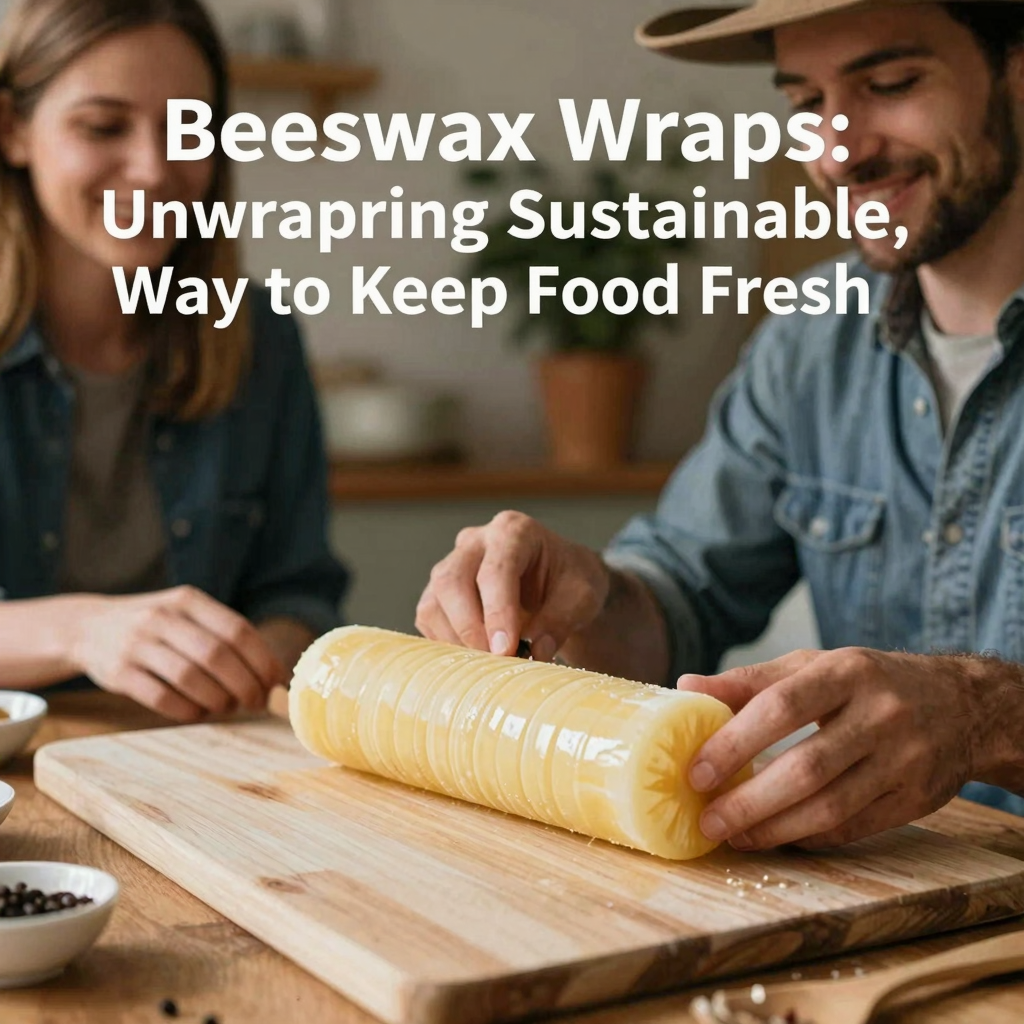
The science is elegantly simple. The warmth of your hands softens the wax-resin blend, allowing you to mold the wrap over a bowl, a piece of fruit, or a wedge of cheese. As it cools, it stiffens slightly, creating a breathable seal. Unlike airtight plastic, this breathability is a key advantage. It prevents moisture buildup that leads to sogginess, making it ideal for items like bread, herbs, and cut vegetables. The natural antibacterial properties of beeswax and tree resin also help to keep food fresh longer. In essence, you’re not suffocating your food; you’re giving it a protective, breathable hug.
The Core Ingredients Breakdown
- Beeswax: Provides the foundational structure, malleability, and natural preservation qualities.
- Tree Resin: Adds tackiness and grip, helping the wrap adhere to itself and surfaces, creating a better seal.
- Plant Oils: Introduce flexibility and prevent the wrap from becoming brittle. They ensure the wrap remains pliable across a range of temperatures.
- Fabric: The breathable, reusable base. Organic cotton and hemp are preferred for their sustainability and durability.
Why Make the Switch? The Compelling Benefits
Beyond their rustic charm, beeswax wraps offer a powerful array of benefits for your home, your health, and the planet. The most obvious impact is the dramatic reduction in single-use plastics. By replacing a roll of cling film that gets used once and tossed, a single beeswax wrap can be reused hundreds of times over its year-long (or more) lifespan. This directly translates to less plastic winding up in landfills and oceans.
From a health perspective, you eliminate the risk of chemicals from plastic wraps leaching into your food, especially when covering warm or fatty items. Beeswax wraps are entirely food-safe, natural, and non-toxic. Economically, while the upfront cost is higher than a box of plastic wrap, the long-term savings are significant. A set of three to four wraps can handle the majority of your food-covering needs for a year or more, making it a wise investment. Furthermore, they are incredibly versatile. Use them to cover bowls, wrap sandwiches, preserve half an avocado or onion, store cheese and baked goods, or even as a makeshift pouch for snacks on the go.
Everyday Uses in Your Kitchen
- Covering bowls, pots, and jars of leftovers.
- Wrapping fruits, vegetables, cheese, and bread.
- Creating custom-sized pouches for snacks like nuts or crackers.
- Traveling with snacks or wrapped sandwiches (no more squished plastic bags!).
- Storing herb bunches to keep them crisp in the fridge.
Mastering the Care and Longevity of Your Wraps
To get the most out of your investment, proper care is essential. Unlike a sponge or dishcloth, beeswax wraps require a gentle touch. They should only be cleaned in cool to lukewarm water with a mild, natural dish soap. Hot water will melt the wax coating right off. Gently hand-wash, rinse, and air dry completely before folding and storing in a cool, dry place away from direct heat sources like stovetops or sunny windowsills.
With regular use, you may notice the coating start to thin or the wrap lose some of its stickiness after 6-12 months. This doesn’t mean it’s time to compost it just yet! Reviving a beeswax wrap is remarkably easy. You can use an oven or an iron to add a fresh, thin layer of beeswax. Many companies sell DIY refresher blocks or pellets specifically for this purpose. This ability to rejuvenate them extends their life even further, pushing that one-year mark into multi-year territory. When they finally do wear out, they are fully compostable, returning to the earth without a trace—a perfect end to their lifecycle.
What NOT to Do with Beeswax Wraps
- Do not use with raw meat or fish (porous surfaces can harbor bacteria).
- Do not wash in hot water or put in the dishwasher or washing machine.
- Do not microwave them (the wax will melt).
- Avoid using on extremely hot foods straight from the oven or stove.
A Wrap That Fits Your Values
Choosing beeswax wraps is more than a purchase; it’s a small, daily commitment to a less wasteful lifestyle. It connects us to ancient food preservation methods while addressing a very modern problem. It supports beekeepers and sustainable agriculture when we choose products with ethically sourced ingredients. And in a busy world, it offers a moment of mindfulness—a simple, tactile act of wrapping food that feels good and does good.
As we all look for practical ways to reduce our environmental footprint, the kitchen is a fantastic place to start. Beeswax wraps are an accessible, effective, and beautiful first step. They prove that sustainability doesn’t have to be complicated or costly; sometimes, it’s as simple as wrapping your sandwich in a piece of cloth kissed by bees. By integrating them into your routine, you’re not just keeping your food fresh; you’re participating in a broader movement towards a more thoughtful and regenerative way of living, one delicious, well-preserved meal at a time.