
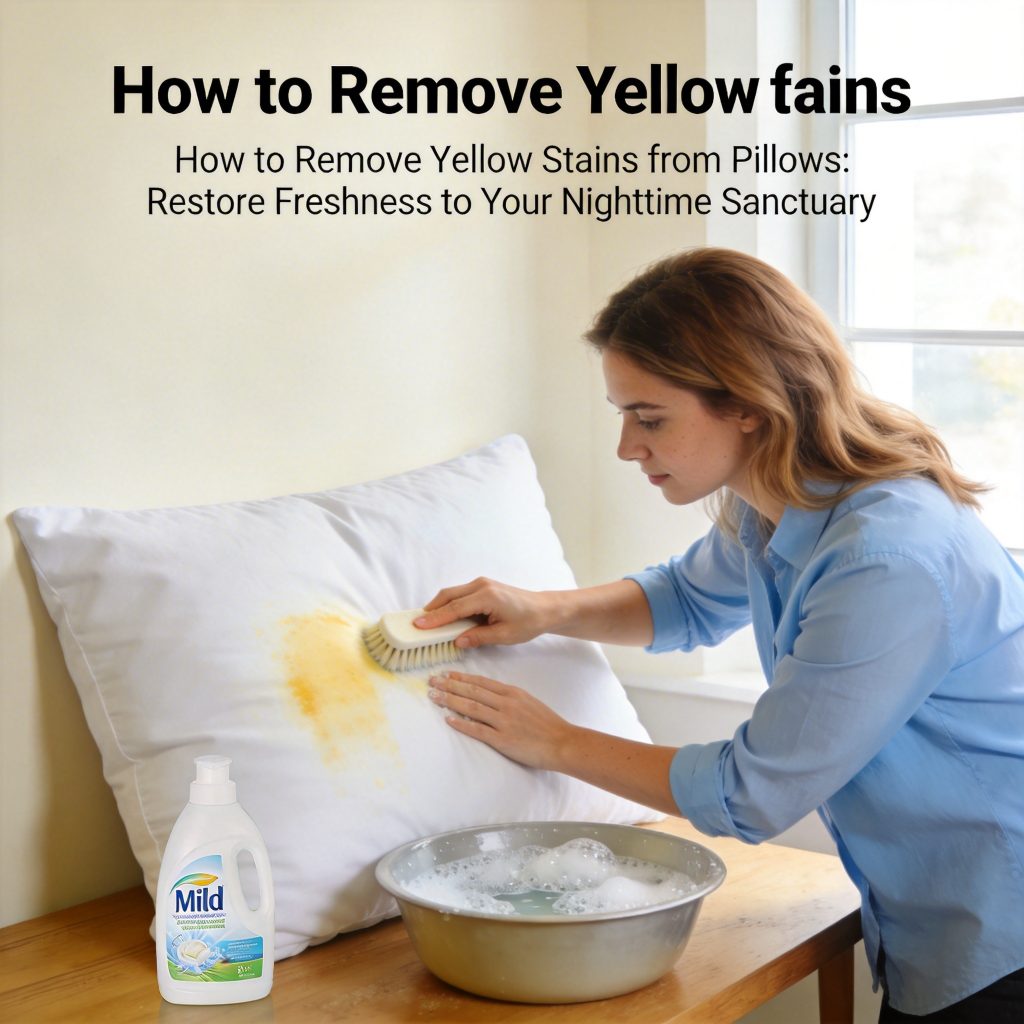
How to Remove Yellow Stains from Pillows: Restore Freshness to Your Nighttime Sanctuary
 admin
admin
There’s nothing quite like sinking into a soft, clean pillow at the end of a long day—until you notice the faint, dull yellow tinge creeping across its surface. Over time, even the whitest pillows can lose their brightness, discolored by the nightly accumulation of sweat, oil, and other residues. Yellow stains aren’t just unsightly; they can harbor allergens like dust mites and bacteria, potentially impacting your sleep hygiene and comfort. The good news? You don’t have to rush out to buy new pillows. With the right knowledge and a few household ingredients, you can banish those stubborn yellow stains and restore your pillows to their fresh, inviting state. In this guide, we’ll break down why pillows turn yellow, pre-treatment steps, DIY stain-removal methods tailored to different pillow types, and preventive measures to keep your pillows white longer.
Why Do Pillows Turn Yellow?
Before diving into stain removal, it’s important to understand the root causes of yellowing. This knowledge will not only help you target stains more effectively but also prevent them from returning in the future. Pillows turn yellow due to a combination of biological and environmental factors, many of which are unavoidable during nightly use:
Sweat and Body Oil
Even if you shower before bed, your body still produces sweat and natural oils while you sleep. On average, a person can sweat up to 25ml of fluid per hour during sleep, according to sleep hygiene experts. Over months and years, this sweat seeps into the pillow fibers, where it oxidizes and turns yellow. Body oils from your face, neck, and hair exacerbate the problem—these oils are rich in sebum, a sticky substance that binds to pillow materials and breaks down over time, leaving behind discoloration. People who sleep hot, exercise regularly before bed, or live in warm climates may notice yellowing more quickly.
Dead Skin Cells and Dander
Humans shed millions of dead skin cells every day, and a significant portion of these end up on our pillows. Combined with pet dander (if you share your bed with a furry friend), these cells feed dust mites, microscopic organisms that thrive in warm, humid environments. As dust mites break down skin cells, they release waste products that contribute to yellow stains and musty odors. Over time, this buildup can make pillows feel heavy and less supportive, in addition to discoloring them.
Makeup and Skincare Products
Sleeping with makeup on is a common culprit behind pillow yellowing. Foundation, concealer, mascara, and lipstick contain pigments and oils that transfer easily to pillowcases and the pillow itself. Even if you remove most of your makeup, residual products can seep into your pillow fibers. Similarly, nighttime skincare products like moisturizers, serums, and face oils may not fully absorb before you fall asleep, leaving behind greasy residues that oxidize and turn yellow over time.
Environmental Factors
External factors can also contribute to pillow yellowing. Dust, pollen, and smoke from indoor or outdoor sources can settle on pillow surfaces, mixing with body fluids to create discolored patches. Hard water, which contains high levels of minerals like calcium and magnesium, can leave behind mineral deposits if you wash your pillows frequently without proper rinsing. These deposits can appear as yellow or white stains on the pillow fabric.
Pre-Treatment Steps Before Washing
Before you jump into washing your pillows, taking a few pre-treatment steps can make stain removal more effective and prevent damage to your pillows. These steps are critical, especially for delicate pillow types like memory foam or latex:
Check the Care Label First
Always start by reading the care label on your pillow. This label will tell you whether your pillow is machine-washable, hand-washable, or dry-clean only. For example, memory foam and latex pillows are often not suitable for machine washing, as the agitation can damage their structure. Cotton, down, and synthetic fiber pillows are generally safe for machine washing, but you’ll need to follow specific temperature and cycle instructions. Ignoring the care label can lead to shrinking, lumping, or permanent damage to your pillow.
Strip the Pillow of Covers
Remove all pillowcases, shams, and protectors from your pillow. Wash these separately in hot water with a mild detergent and a stain remover—pillowcases often harbor the same yellow stains as the pillow itself, and washing them first prevents recontamination. For heavily stained pillowcases, pre-treat them with a baking soda paste or hydrogen peroxide solution before tossing them in the washer.
Vacuum Loose Debris
Use a vacuum cleaner with an upholstery attachment to gently suck up loose debris from the pillow surface. This includes dead skin cells, dust mites, and pollen that may be trapped in the fibers. Vacuuming before washing prevents these particles from spreading throughout your washing machine and ensures that the stain-removal ingredients can penetrate the pillow fibers more effectively. Be sure to vacuum both sides of the pillow for thorough cleaning.
Spot-Treat Stubborn Stains
For concentrated yellow stains, spot treatment is key. Apply one of these household remedies directly to the stain before washing:
- Baking Soda Paste: Mix equal parts baking soda and water to form a thick paste. Apply the paste to the stain, let it sit for 15-20 minutes, then brush off the excess with a soft-bristled brush. Baking soda is a natural deodorizer and abrasive, so it helps lift stains without damaging fibers.
- Hydrogen Peroxide Spray: Fill a spray bottle with 3% hydrogen peroxide (the kind you find in drugstores). Lightly mist the stain, then let it sit for 10 minutes. Hydrogen peroxide has bleaching properties, so it’s effective for white pillows. Always test it on a small, hidden area first to ensure it doesn’t discolor colored pillows.
- Vinegar Solution: Mix one part white vinegar with two parts water. Dab the solution onto the stain using a clean cloth, then blot with a dry cloth to absorb excess moisture. Vinegar breaks down oil and protein-based stains, but it has a strong smell—this will dissipate during drying.
DIY Stain-Removal Methods for Different Pillow Types
Not all pillows are created equal, and the stain-removal method you use should depend on the material of your pillow. Below are tailored methods for the most common pillow types:
Cotton and Down Pillows
Cotton and down pillows are durable and easy to clean, making them ideal for DIY stain removal. Here are two effective methods:
- Oxygen Bleach and Baking Soda Soak: Fill a large basin with warm water, add ½ cup of oxygen bleach (not chlorine bleach, which can damage down fibers) and ¼ cup of baking soda. Submerge the pillow in the solution and let it soak for 1-2 hours. Gently squeeze the pillow to work the solution into the fibers, then transfer it to the washing machine. Wash on a gentle cycle with warm water and mild detergent. For down pillows, add two clean tennis balls to the dryer to maintain fluffiness.
- Hydrogen Peroxide and Dish Soap Treatment: Mix equal parts 3% hydrogen peroxide and mild dish soap. Apply the mixture directly to yellow stains, then rub gently with a soft brush. Let it sit for 20 minutes, then wash the pillow on a gentle cycle. This method is particularly effective for stains caused by sweat and body oil.
Memory Foam and Latex Pillows
Memory foam and latex pillows are delicate and can be damaged by excessive water or agitation. Avoid soaking these pillows—instead, use dry or damp cleaning methods:
- Baking Soda Deodorizing and Stain Lift: Sprinkle a thick layer of baking soda over the entire surface of the pillow. Let it sit for 4-6 hours (or overnight for stubborn stains). Vacuum up the baking soda using an upholstery attachment. Baking soda will absorb moisture, odors, and some surface stains. For deeper yellow stains, lightly mist the pillow with a vinegar-water solution before sprinkling baking soda—this creates a fizzing reaction that breaks down stain-causing residues.
- Lemon Juice Spot Treatment: Squeeze fresh lemon juice onto the stain and let it sit for 10 minutes. Lemon juice has natural bleaching properties, making it ideal for white memory foam pillows. Blot the area with a damp cloth to remove excess juice, then let the pillow air dry completely in a well-ventilated area. Avoid direct sunlight, as it can fade the foam.
Synthetic Fiber Pillows
Synthetic fiber pillows are affordable and resistant to mildew, but they can hold onto stains if not cleaned properly. Try this method:
Borax and Lemon Juice Paste: Mix ¼ cup of borax with warm water to form a paste, then add a few drops of lemon juice. Apply the paste to yellow stains and let it sit for 30 minutes. Machine wash the pillow on a gentle cycle with warm water and mild detergent. Add 1 cup of white vinegar to the rinse cycle to remove any residual borax and brighten the fibers. Tumble dry on low heat with a few dryer balls to keep the fibers fluffy.
Machine Washing vs. Hand Washing Pillows
Once you’ve pre-treated your pillows, you’ll need to decide between machine washing and hand washing. The best option depends on your pillow’s material and care label instructions:
Machine Washing Guidelines
Machine washing is suitable for cotton, down, and synthetic fiber pillows. Follow these tips for best results:
- Use a front-loading washing machine if possible—top-loading machines with agitators can damage pillow fibers and cause lumping.
- Wash 1-2 pillows at a time to avoid overcrowding the machine. Overcrowding prevents the pillows from moving freely, which can leave detergent residues and stains behind.
- Use a mild, fragrance-free detergent. Harsh detergents can break down pillow fibers and leave behind a film that attracts more stains.
- For down pillows, add 2-3 clean tennis balls (or dryer balls) to the dryer to maintain their shape and fluffiness. Avoid using fabric softener, as it can coat down fibers and reduce their insulating properties.
Hand Washing Instructions
Hand washing is the safest option for delicate pillows like memory foam and latex. Here’s how to do it:
Drying Pillows Correctly to Prevent Mildew and Yellowing
Proper drying is just as important as washing when it comes to removing yellow stains and preventing mildew. Moisture trapped in pillow fibers can lead to mold growth and further discoloration, so make sure your pillows are completely dry before using them again:
Air-Drying vs. Tumble Drying
- Air-Drying: This is the best option for memory foam and latex pillows. Lay the pillow flat on a drying rack in a well-ventilated area, away from direct sunlight (which can fade or damage delicate foams). Flip the pillow every 2-3 hours to ensure even drying. Depending on the humidity, air-drying can take 24-48 hours.
- Tumble Drying: Cotton, down, and synthetic fiber pillows can be tumble dried on low heat. Add a few clean tennis balls or dryer balls to keep the fibers fluffy. Stop the dryer periodically to fluff the pillow by hand. Dry the pillow for 30-minute intervals until it’s completely dry—this may take 1-2 hours. If you notice any damp spots, continue drying until they’re gone.
Pro Tips for Fluffiness and Freshness
- Sun-Dry for Natural Whitening: If you have white cotton or down pillows, hang them outside in direct sunlight for a few hours. Sunlight has natural bleaching properties and kills bacteria and dust mites. Just be sure to bring them inside before sunset to avoid dew buildup.
- Add Baking Soda to the Dryer: Toss a small amount of baking soda in a pillowcase and add it to the dryer with your pillow. This will absorb any remaining odors and leave your pillow smelling fresh.
- Fluff Daily: Get in the habit of fluffing your pillow every morning. This helps distribute the fibers evenly, prevents lumping, and reduces the buildup of sweat and oil in one area.
Preventive Measures to Keep Pillows White Longer
The best way to deal with yellow pillow stains is to prevent them from forming in the first place. Here are simple, actionable steps to maintain the whiteness and freshness of your pillows:
Use Pillow Protectors
Invest in high-quality pillow protectors to create a barrier between your skin and the pillow. Look for waterproof, breathable protectors that are machine-washable. These protectors will block sweat, oil, and makeup from seeping into the pillow fibers. Wash your pillow protectors every 2 weeks, or more often if you sweat heavily or have allergies.
Wash Pillowcases Regularly
Pillowcases are the first line of defense against yellow stains. Wash them in hot water every week to remove sweat, oil, and dead skin cells. For pillowcases made of delicate fabrics like silk, use cold water and a mild detergent. If you wear makeup to bed, consider using a silk pillowcase—silk is less absorbent than cotton, so it’s less likely to trap stains.
Maintain Good Sleep Hygiene
Shower before bed to remove sweat, oil, and makeup from your skin. If you use nighttime skincare products, give them 15-20 minutes to absorb before falling asleep. Avoid eating or drinking in bed, as spills can cause stains and attract pests. For those who sleep hot, consider using a cooling pillow or sheets made of breathable fabrics like linen or bamboo.
Refresh Pillows Monthly
Every month, sprinkle baking soda over your pillows, let it sit for a few hours, then vacuum it off. This will absorb odors and loose debris, preventing them from building up and causing yellow stains. You can also mist your pillows with a lavender water spray for a calming, fresh scent.
Conclusion
Yellow stains on pillows are a common and natural result of nightly use, but they don’t have to be permanent. By understanding why pillows turn yellow, following proper pre-treatment steps, using DIY stain-removal methods tailored to your pillow type, and adopting preventive measures, you can restore your pillows to their fresh, white state. Remember, regular maintenance is key—washing your pillows every 3-6 months (or more often if you have allergies) will keep them clean, fluffy, and free of yellow stains. Don’t let discolored pillows ruin your nighttime sanctuary—with a little effort, you can enjoy fresh, clean pillows for years to come.
