
The Ultimate Guide to Removing Pet Hair from Furniture (And Keeping It Off)
 admin
admin
For pet owners, the love and companionship of a furry friend are priceless. But there’s one inevitable, less-than-grecious side effect: the endless tumbleweeds of pet hair that seem to magically regenerate on every surface, especially your furniture. That cozy couch you share for cuddles can quickly become a fur-covered monument to your shedding companion. Fear not, fellow pet lover! As someone who has spent a decade navigating the world of home care and pet ownership, I can assure you that winning the battle against pet hair is not only possible, but it can also be efficient. This comprehensive guide will walk you through the most effective tools, ingenious DIY hacks, and preventative strategies to reclaim your furniture and enjoy a (relatively) hair-free home.
Understanding the Enemy: Why Pet Hair is So Stubborn
Before we dive into the solutions, it helps to understand why pet hair clings with such tenacity. It’s not just about the hair itself; it’s a combination of factors. Pet hairs, especially from dogs and cats with undercoats, are often barbed or textured microscopically. This allows them to hook into fabric fibers like tiny Velcro. Furthermore, pet hair is almost always accompanied by dander (dead skin cells) and natural oils from your pet’s coat. This oily residue acts as an adhesive, helping the hair bond to upholstery, curtains, and carpets. Static electricity, especially in dry climates or during winter, adds another layer of attraction, making hairs leap from your pet to the sofa. Recognizing this combination—texture, oil, and static—is key to choosing the right removal method, as some techniques address the physical hooks, others the oils, and others the static charge.
Your Arsenal: Tools and Techniques for Effective Removal
Having the right tool for the job makes all the difference. A haphazard approach with the wrong item will leave you frustrated and covered in hair. Here’s a breakdown of the most effective tools, from everyday items to specialized gadgets.
The Everyday Champions
You don’t always need to buy a specialty product. Some of the best solutions are already in your home.
- Rubber Gloves: Don a pair of clean, damp rubber gloves (dishwashing gloves are perfect). Run your hand over the upholstery in long, sweeping motions. The rubber creates friction and static, causing the hair to ball up and roll off the fabric effortlessly. This is exceptionally good for tight-weave fabrics and car interiors.
- Damp Sponge or Microfiber Cloth: Lightly dampen a cellulose sponge or a high-quality microfiber cloth. Wipe it over the furniture. The slight moisture helps gather the hair without soaking the fabric. Microfiber, in particular, is designed to grab onto particles through static attraction.
- Fabric Softener Sheets: Grab a used dryer sheet and rub it across your cushions. The anti-static agents in the sheet neutralize the static electricity that holds hair in place, allowing you to then vacuum or brush the hair away easily.
Specialized Tools for the Job
For dedicated pet owners, investing in a few key tools can save hours of labor.
- Rubber-Bristled Brooms or Squeegees: These are like oversized versions of the rubber glove method. The flexible rubber edge grabs hair from carpets and large furniture surfaces with incredible efficiency. Simply press down and pull the broom or squeegee toward you.
- Lint Rollers and Tape: The classic for a reason. Disposable sticky rollers are perfect for quick touch-ups on clothing and smaller furniture areas. For a more eco-friendly and cost-effective solution, keep a wide roll of packing tape on hand. Wrap a piece around your hand with the sticky side out for a mega-lint roller.
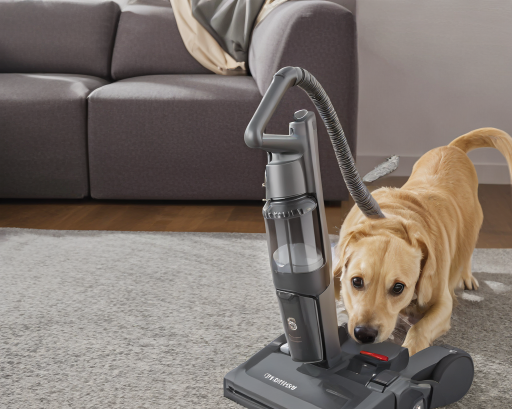
- Specialized Pet Hair Vacuums and Attachments: Not all vacuums are created equal. Vacuums designed for pet hair typically have more powerful suction, sealed HEPA filters to trap allergens, and motorized brush rolls that actively dig hair out of fabric. The crevice tool and upholstery brush attachment that come with most vacuums are your best friends for getting into couch crevices and cushion seams.
- Fabric Brushes and Grooming Tools: Tools like the Fur-Zoff or ChomChom roller use a continuous rolling mechanism with an internal collection chamber to pull up hair without any sticky sheets or electricity. They are reusable, quiet, and remarkably effective on most fabrics.
Deep Cleaning and Laundry Tactics
When hair is embedded, or it’s time for a full refresh, these methods are essential.
For removable cushion covers and throws, the washing machine is your ultimate weapon. Always check the care label first. A pro tip: add a half-cup of white vinegar to the rinse cycle. Vinegar helps break down the oils that bind hair and dander to fabric, often releasing a surprising amount of hair that then gets trapped in the washer’s filter. Tumble dry on low with dryer balls (tennis balls work in a pinch). The bouncing action helps dislodge hair from the fabric inside the dryer.
For non-removable upholstery, a deep clean with a steam cleaner can work wonders. The hot steam helps loosen the oils and embedded hairs, which can then be extracted. For a lighter approach, use a damp upholstery cleaning brush or even a pumice stone (designed for furniture, not feet!) on sturdy fabrics like tweed or microfiber—gently rub in one direction to pull hair into clumps.
Prevention: The Key to Long-Term Success
Removing hair is one thing; slowing its accumulation is the holy grail. A proactive strategy will drastically reduce your daily cleaning burden.
Furniture and Fabric Choices
If you’re purchasing new furniture or choosing throws, your material selection is critical. Tightly woven fabrics like microfiber, leather, and synthetic suede are far more resistant to hair penetration than loose weaves like velvet, corduroy, or chenille. Light-colored fabrics will show dark hair more, but dark fabrics will highlight light hair—choose a color that best camouflages your pet’s coat. Dedicated, washable furniture covers or throws are the single best investment you can make. They act as a sacrificial layer, protecting your actual furniture and can be easily removed and washed weekly.
The Source: Regular Pet Grooming
The less loose hair on your pet, the less ends up on your sofa. Establish a consistent grooming routine tailored to your pet’s breed.
- Brushing: Brush your pet regularly—daily during heavy shedding seasons. Do this outside or in an easy-to-clean area like a bathroom. Using a de-shedding tool like the Furminator can remove the loose undercoat before it has a chance to shed naturally around your home.
- Bathing: Regular baths with a pet-friendly shampoo help loosen dead hair and dander. A thorough rinse and blow-dry (with a pet dryer on a cool setting) can remove an astonishing amount of fur directly into the tub or outside.
- Diet and Health: A high-quality diet rich in omega-3 and omega-6 fatty acids promotes healthy skin and a strong coat, which can reduce excessive shedding. Always consult your vet if you notice sudden increases in shedding, as it can sometimes indicate an underlying health issue.
Conclusion: Embracing a (Mostly) Fur-Free Home
Living with a pet means accepting a certain level of fur as a sign of a life well-lived and well-loved. However, it doesn’t mean you must surrender your home to it. By understanding why pet hair sticks, arming yourself with the right tools—from humble rubber gloves to powerful vacuums—and implementing smart preventative strategies like regular grooming and strategic furniture covers, you can achieve a remarkable balance. The goal isn’t a sterile, hairless environment, but a clean, comfortable home where both you and your furry family member can relax without being buried in a blizzard of shed fur. With the tactics in this guide, you can spend less time battling tumbleweeds and more time enjoying the priceless cuddles on your clean, fresh-smelling furniture.
