
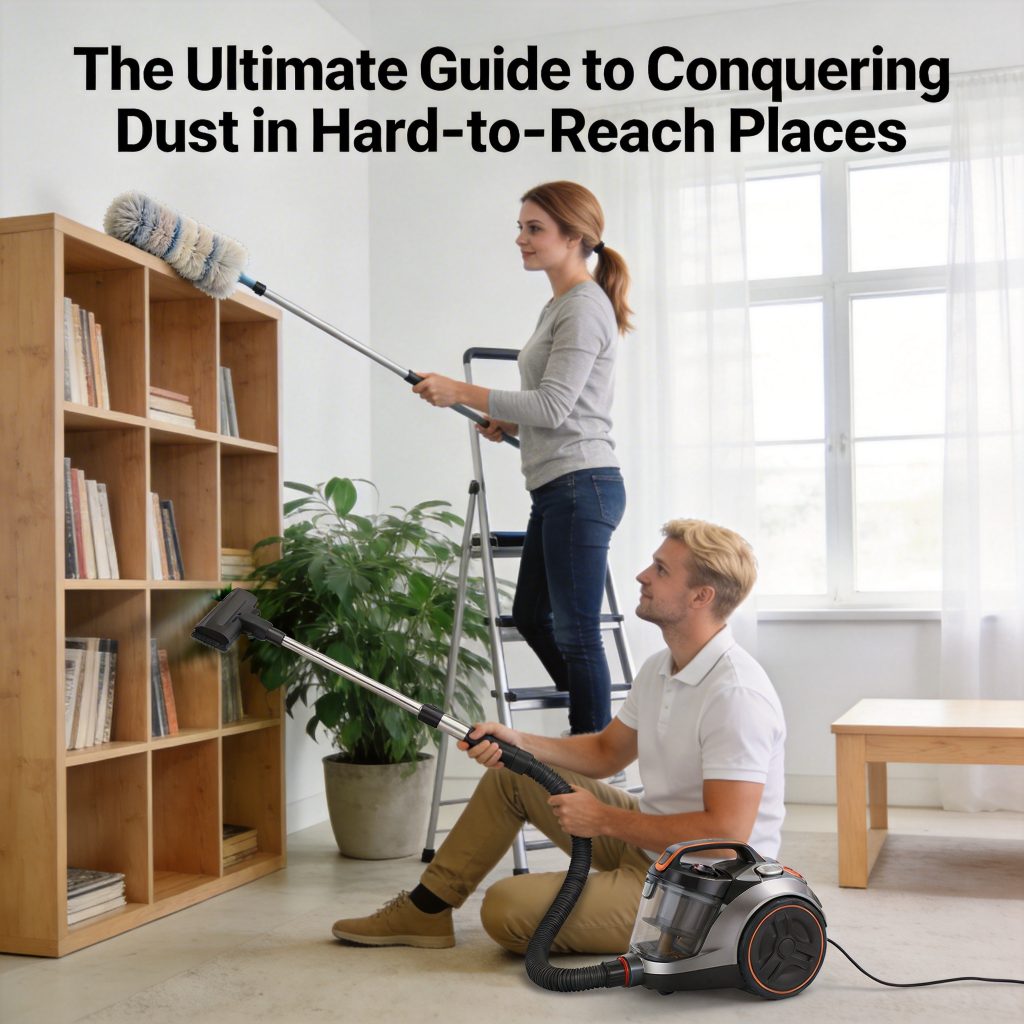
The Ultimate Guide to Conquering Dust in Hard-to-Reach Places
 admin
admin
For anyone who takes pride in a clean home, dust is the eternal nemesis. It settles on every surface, a silent, creeping layer of defeat. But while wiping down tabletops and vacuuming floors is straightforward, it’s the hidden, awkward, and high-up spaces that truly test a cleaner’s mettle. Ceiling fan blades, the tops of cabinets, behind the refrigerator, the intricate grooves of a radiator—these are the dust bunkers where allergens and grime build their fortresses. After a decade of writing about home care, I’ve learned that conquering these spaces isn’t about brute force; it’s about strategy, the right tools, and a bit of clever ingenuity. This comprehensive guide will arm you with everything you need to banish dust from every last corner of your home.
Why Bother? The Hidden Cost of Neglected Dust
Before we dive into the *how*, let’s address the *why*. Ignoring dust in hard-to-reach places isn’t just an aesthetic issue. Dust is a complex mixture of dead skin cells, fabric fibers, pollen, soil, and microscopic creatures like dust mites and their waste. When it accumulates in undisturbed areas, it can significantly impact your home’s air quality and your health. For those with allergies, asthma, or respiratory sensitivities, these dust reservoirs continuously feed allergens into the air. Furthermore, dust can clog appliance vents (like your refrigerator or electronics), causing them to work harder, overheat, and potentially fail prematurely. A thorough, top-down approach to dusting ensures you’re not just cleaning the surface, but creating a healthier, more efficient living environment.
Your Arsenal: Essential Tools for the Battle Against Dust
The wrong tool makes any job frustrating. For hard-to-reach dust, specialty tools are not a luxury—they are a necessity. Here’s a breakdown of the must-haves for your cleaning toolkit:
The Extendable Duster
This is your first line of defense. Look for a sturdy, telescoping pole that can extend to at least 6 feet. The best heads are made of flexible, electrostatic microfiber material that grabs and holds dust instead of just flicking it into the air (and onto another surface). Some have pivoting heads to get around corners or hug curved surfaces.
Vacuum Cleaner Attachments
Your vacuum is more than a floor cleaner. The crevice tool and brush attachments are dust-destroying heroes. The crevice tool is perfect for sliding between appliances and walls, along baseboards, and into window tracks. The soft brush attachment is ideal for delicate items, lampshades, blinds, and electronics keyboards.
Microfiber Cloths and Mitts
Microfiber’s unique split-fiber construction attracts and traps dust with static electricity. Dampen one slightly (not wet) for sticky dust on top of door frames or ceiling corners. A microfiber mitt is excellent for quickly wiping down slatted blinds or the intricate details of a ceiling light fixture.
Specialty Items for Specific Jobs
- Compressed Air/Dust-Off: Invaluable for electronics, computer keyboards, delicate collectibles, and the tight coils behind your refrigerator.
- Paintbrush or Makeup Brush: Small, soft-bristled brushes are perfect for dusting intricate figurines, keyboard switches, vents, and the grooves of stereo equipment.
- Pillowcase Trick: For ceiling fan blades, slide an old pillowcase over each blade and pull it back. The dust collects inside the pillowcase instead of raining down on your floor or bed.
The Tactical Approach: Room-by-Room Strategies
Now, with tools in hand, let’s develop a battle plan. Always remember the golden rule of cleaning: work from top to bottom. Gravity is your ally if you use it correctly. Start high and finish low, so any falling dust gets captured in your final vacuum or floor cleaning.
Living Areas & Bedrooms
Begin with the highest points. Use your extendable duster on ceiling corners, crown molding, and light fixtures. Employ the pillowcase method for ceiling fans. Don’t forget:
- Behind Furniture: Monthly, pull sofas and bookshelves away from the wall. Use the vacuum crevice tool to suck up dust bunnies and the long brush to dust baseboards and the back of the furniture.
- High Shelves & Tops of Cabinets: Run a microfiber cloth along the tops of door frames, picture frames, and cabinets. This is a major overlooked dust hotspot.
- Blinds and Shades: Close blinds and dust from top to bottom with a microfiber mitt or the brush attachment. For fabric shades, use the vacuum’s upholstery attachment on a low setting.
Kitchen
Kitchen dust is often greasy, making it stickier. A slightly damp microfiber cloth works wonders here.
- Appliance Tops & Bottoms: Pull out the refrigerator and stove. Vacuum the coils and floor beneath with the crevice tool. Wipe down the sides and tops of all appliances.
- Under-Cabinet Lighting: Dust and dead insects love these ledges. A small brush or cloth-wrapped finger can clean them.
- Vent Hood Filter: Remove and soak the filter in degreaser according to manufacturer instructions.
Bathroom
Focus on ventilation and moisture-prone areas.
- Exhaust Fan Grille: Remove the cover (usually clips or screws) and wash it in soapy water. Use the vacuum crevice tool to suck dust from the fan housing.
- Behind the Toilet: The narrow space between the toilet tank and the wall is a dust magnet. Use a flexible duster or a long, thin tool wrapped in a cloth.
- High Shelves & Light Fixtures: Bathroom dust can be damp and clumpy. Ensure light fixtures and high shelves are regularly wiped down to prevent buildup.
Pro Tips and Ingenious Hacks
Beyond the standard tools, a little creativity goes a long way.
- The Sock and Broom Method: Slip a clean, microfiber sock over the end of a broom or yardstick. Secure it with a rubber band. You now have a cheap, highly maneuverable duster for corners and behind radiators.
- Dryer Sheets for Static: Used dryer sheets are excellent for dusting mini-blinds or TV screens. They help repel dust due to their anti-static properties.
- Schedule a “High & Low” Day: Don’t try to do everything at once. Once a month, dedicate 30 minutes to just the high (ceiling fans, tops of cabinets) and low (under furniture, baseboards) areas. This prevents overwhelming buildup.
- Prevention is Key: Use high-quality air filters in your HVAC system and change them regularly. Consider an air purifier for main living areas, especially if you have pets. It won’t eliminate dusting, but it will drastically reduce airborne particles.
Conclusion: Reclaim Your Space, One Nook at a Time
Dusting hard-to-reach places may seem like a daunting, never-ending chore, but it’s ultimately an act of reclaiming your space. By shifting your mindset from a dreaded task to a strategic mission, equipping yourself with the right tools, and implementing a sensible room-by-room plan, you transform from someone who cleans surfaces into someone who maintains an environment. The result is more than just visual cleanliness; it’s the peace of mind that comes with breathing easier, knowing your home is cared for in its entirety, from the obvious centerpieces to the secret, dusty corners. So, grab your extendable duster, embrace the top-down strategy, and declare victory over dust, once and for all.
