
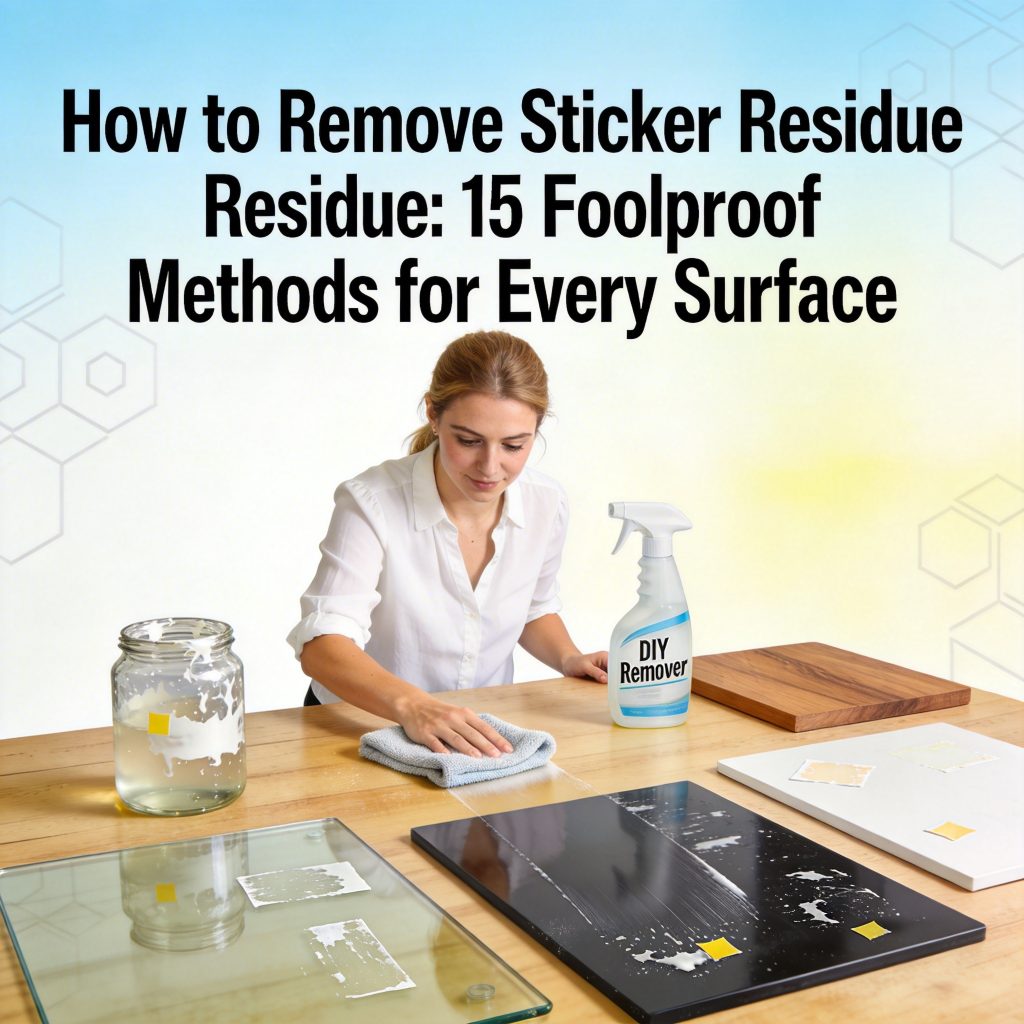
How to Remove Sticker Residue: 15 Foolproof Methods for Every Surface
 admin
admin
We’ve all been there: you unwrap a brand new laptop, only to find a sticky, yellowish residue left by the price tag. Or you finally get around to decorating your kitchen, but the sticker on your new ceramic tile leaves a gooey mess that won’t wipe away. Sticker residue is one of those small household annoyances that can drive even the most patient person crazy. But after 10 years of writing about home DIY and maintenance, I’ve tested dozens of methods to remove sticker residue—from household staples to commercial products—and I’m here to share the best ones with you. This guide covers every common surface, from glass to fabric, and includes pro tips for even the toughest, oldest residue.
Why Sticker Residue Is So Stubborn (And What Makes It Stick)
Before we dive into removal methods, it’s important to understand why sticker residue is such a hassle. Sticker adhesives are engineered to form a strong, long-lasting bond between the sticker and the surface. Most adhesives fall into two categories: rubber-based (common on price tags and temporary stickers) and acrylic (more durable, used on electronics, outdoor gear, and permanent labels). Over time, these adhesives can harden, seep into porous surfaces like wood or fabric, or react to temperature changes to become even more stubborn. The key to removing residue is breaking down the adhesive’s chemical bond without damaging the underlying surface—and that’s where the right method comes in.
Pre-Removal Prep: Critical Steps to Avoid Damage
Before you start scrubbing or applying cleaners, taking a few minutes to prepare will save you from scratches, discoloration, or ruined belongings. These pre-removal steps are non-negotiable, especially for delicate surfaces:
- Test in an inconspicuous spot first: Whether you’re using white vinegar or a commercial cleaner, dab a small amount on a hidden area (like the back of a furniture leg or the bottom of a mug) and wait 5-10 minutes. Check for discoloration, fading, or surface damage before proceeding. Even “safe” products can react unexpectedly with certain finishes.
- Gently scrape loose residue: Use a plastic scraper, credit card, or plastic butter knife to scrape away any flaking or loose residue. Hold the scraper at a 45-degree angle to minimize pressure on the surface. Avoid metal scrapers—they can scratch glass, plastic, and wood finishes.
- Gather your supplies: Depending on the method you choose, you’ll need paper towels, microfiber cloths, gloves (for harsh chemicals), and your chosen cleaner. Having everything within reach will make the process smoother and less frustrating.
The Ultimate Guide to Removing Sticker Residue by Surface
Not all surfaces are created equal. A method that works wonders on glass might ruin a wooden table, and a commercial cleaner safe for plastic could stain fabric. Below, we break down the best methods for every common surface, with step-by-step instructions.
Glass & Ceramic (Windows, Dishes, Mugs, Tile)
Glass and ceramic are non-porous, so residue is usually easier to remove without damaging the surface. These methods are fast and effective:
- White vinegar soak: Fill a bowl with equal parts white vinegar and warm water. Submerge small items (like mugs or dishes) for 15-20 minutes, or soak a paper towel in the solution and place it over larger surfaces (like windows or tile) for 10 minutes. Wipe away the residue with a microfiber cloth; use a plastic scraper for any leftover spots. Vinegar’s acidic properties break down the adhesive without leaving streaks.
- Rubbing alcohol (isopropyl alcohol): Dampen a cloth with 70% or higher isopropyl alcohol and rub the residue in a circular motion. The alcohol dissolves the adhesive quickly, and it evaporates fast, so no streaks on glass. This is perfect for mirrors, windows, and glass tabletops.
- Baking soda paste: Mix baking soda with a small amount of water to form a thick paste. Apply to the residue and let sit for 5 minutes. Scrub gently with a non-abrasive sponge and rinse with water. This works well for dried-on residue that vinegar alone can’t handle.
Plastic & Vinyl (Water Bottles, Toys, Laptop Cases, Car Interiors)
Plastic and vinyl are durable but can scratch easily, and some harsh chemicals can cause discoloration. Stick to gentle methods to keep surfaces looking like new:
- Olive oil or coconut oil: Apply a small amount of oil to the residue and rub it in. Let sit for 10-15 minutes to loosen the adhesive. Wipe away with a paper towel, then clean the area with soap and water to remove the oily residue. This is ideal for sensitive plastic that might react to alcohol.
- Rubbing alcohol (70%): Dampen a cloth with 70% isopropyl alcohol and rub in circles. For stubborn residue, let the alcohol sit for 5 minutes before wiping. Avoid 91% alcohol on thin plastic—it can cause clouding.
- WD-40: Spray a small amount of WD-40 onto the residue, let sit for 2 minutes, then wipe away with a cloth. WD-40’s lubricant properties break down the adhesive, but be sure to clean the area with soap and water afterward to remove any oil residue.
Wood (Furniture, Floors, Cabinets)
Wood is porous, so residue can seep into the grain and cause stains if not removed properly. Harsh chemicals can dissolve wood finishes, so stick to gentle, non-abrasive methods:
- Mayonnaise trick: Yes, mayonnaise works! Its oil and vinegar content break down adhesive without damaging wood finishes. Apply a thin layer to the residue, let sit for 30 minutes, then wipe away with a soft cloth. Clean the area with soap and water afterward to remove the mayonnaise smell.
- Olive oil and baking soda paste: Mix 2 parts olive oil with 1 part baking soda to form a paste. Apply to the residue and let sit for 10-15 minutes. Gently rub with a microfiber cloth in the direction of the wood grain. Wipe away the paste with a damp cloth and dry immediately to prevent water damage.
- Wood-safe adhesive remover: Products like Howard Feed-N-Wax Adhesive Remover are designed specifically for wood. Follow the manufacturer’s instructions carefully, and always test in a hidden spot first.
Fabric (Clothing, Bags, Upholstery)
Fabric is porous, so residue can seep into fibers and cause permanent stains if not treated quickly. Act fast, and avoid rubbing, which can spread the adhesive:
- Freeze the residue: Place the fabric item in a plastic bag and freeze for 1-2 hours. The cold will harden the adhesive, making it easy to scrape off with a plastic scraper or butter knife. Brush away any remaining bits with a soft-bristled brush.
- Rubbing alcohol blot: Dampen a cloth with rubbing alcohol and blot the residue (don’t rub!). Let sit for 5 minutes, then blot again with a clean cloth. Wash the item in cold water as usual. This works well for cotton, polyester, and canvas.
- Dish soap and warm water: Mix a few drops of mild dish soap with warm water. Dampen a cloth with the solution and blot the residue. Rinse with cold water and let air dry. This is gentle enough for delicate fabrics like silk or lace.
Electronics (Laptops, Phones, Tablets, Cameras)
Electronics are sensitive to moisture, so you need to use methods that are dry or minimally damp to avoid damaging internal components:
- Rubbing alcohol (70% or higher): Dampen a cotton swab or microfiber cloth with alcohol (squeeze out excess liquid to avoid dripping). Gently rub the residue in a circular motion. The alcohol evaporates quickly, so it won’t seep into ports or buttons. Avoid getting alcohol into headphone jacks, charging ports, or speaker grills.
- Plastic scraper and alcohol: For tough residue, use a plastic scraper to gently scrape the edges, then dab with an alcohol-soaked swab to remove the rest. Be extra careful with touchscreens—never apply pressure directly to the display.
- Electronic-safe cleaner: Products like Screen Mom or iKlear are formulated for electronics. Spray the cleaner onto a cloth (not directly onto the device) and wipe the residue away. These cleaners are streak-free and safe for all electronic surfaces.
Pro Tips for Tough, Old Sticker Residue
If the residue has been sitting for months (or even years), it might be hardened and extra stubborn. Try these pro methods to break down even the most persistent adhesive:
- Heat method: Use a hairdryer on medium heat (hold 6-8 inches away) to warm the residue for 1-2 minutes. The heat will soften the adhesive, making it easier to scrape off. For extra tough residue, use a heat gun on low (but be careful—heat guns can damage plastic or wood finishes if held too close).
- Freeze method: Place the item in a plastic bag and freeze for 2-3 hours. The cold temperature will make the adhesive brittle, so you can chip it away with a plastic scraper. This works great for small items like phone cases or water bottles.
- Citrus-based cleaner: Lemon juice or orange oil works wonders for tough residue. Apply a small amount to the residue, let sit for 15 minutes, then wipe away. The citrus oils break down the adhesive without harsh chemicals, and they leave a fresh scent.
Common Mistakes to Avoid
Even with the best methods, these mistakes can lead to permanent damage. Steer clear of these pitfalls:
- Using metal scrapers on delicate surfaces: Metal can scratch glass, plastic, and wood finishes. Stick to plastic tools to avoid marks.
- Overusing harsh chemicals: Products like bleach, ammonia, or acetone can strip paint, discolor fabric, or dissolve plastic. Always test first, and opt for gentle methods when possible.
- Rubbing too hard: Rubbing aggressively can spread the residue, scratch surfaces, or damage fabric fibers. Use gentle circular motions or blotting instead.
- Using too much moisture on electronics: Excess liquid can seep into ports and cause short circuits. Always use minimally damp cloths or swabs for electronic devices.
Eco-Friendly Sticker Residue Removal: DIY Methods Without Harsh Chemicals
If you prefer to avoid harsh chemicals, these DIY methods use common household items that are safe for the environment and your family:
- White vinegar: A natural acid that breaks down adhesive, safe for glass, plastic, and wood.
- Baking soda paste: A mild abrasive that scrubs away residue without scratching, perfect for glass and metal.
- Olive oil or coconut oil: Plant-based oils dissolve adhesive, safe for plastic, wood, and glass.
- Lemon juice paste: Mix lemon juice with baking soda for a powerful, fresh-scented cleaner that works on most surfaces.
When to Call a Professional
Most sticker residue can be removed with DIY methods, but there are some cases where it’s best to call in the experts:
- Antique or valuable furniture: Harsh chemicals or scraping can damage the finish of antique wood, leading to expensive repairs. A professional furniture restorer can safely remove residue without harming the piece.
- Delicate electronics: If you’re unsure about cleaning a high-end camera or vintage gaming console, a professional technician can handle it without risking damage to internal components.
- Large surfaces with extensive residue: If you have a commercial sign or a newly purchased vehicle with dealership stickers, a professional detailer can remove the residue quickly and safely without scratching the surface.
Conclusion
Sticker residue might seem like a small annoyance, but it can quickly ruin the look of your belongings. The good news is that with the right method and a little patience, you can remove it from almost any surface without damage. Whether you’re using mayonnaise on a wooden table, rubbing alcohol on your laptop, or white vinegar on a glass mug, always start with pre-removal prep to ensure the best results.
Over the past 10 years, I’ve tested hundreds of DIY and commercial methods, and the ones in this guide are the most reliable and effective. No matter what surface you’re dealing with, there’s a solution here for you. So next time you’re faced with that stubborn sticky mess, don’t stress—grab your supplies, follow these steps, and you’ll have a clean, residue-free surface in no time. Happy cleaning!
