
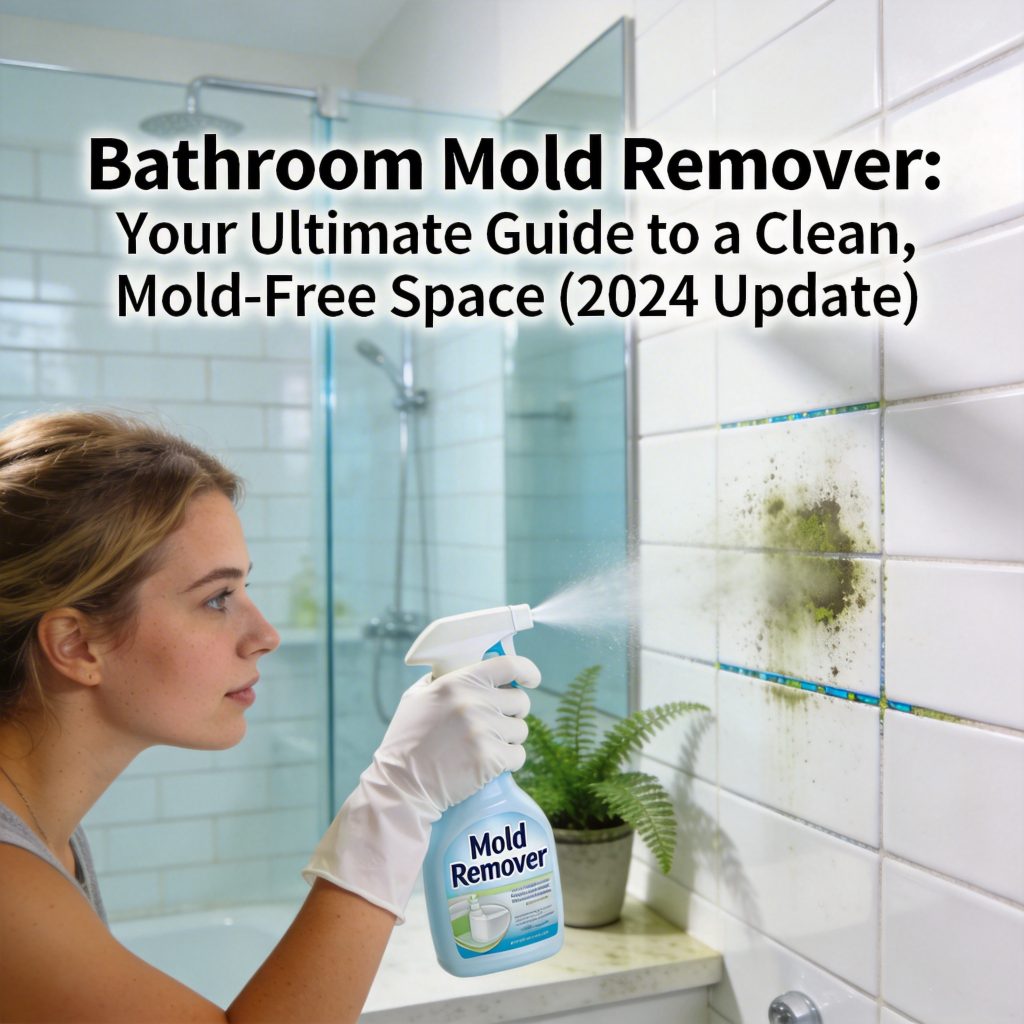
Bathroom Mold Remover: Your Ultimate Guide to a Clean, Mold-Free Space (2024 Update)
 admin
admin
You’ve just finished a hot shower, reached for your towel, and glanced up at the corner of the shower stall. There it is: that familiar, fuzzy black mold creeping along the caulk line, turning your once-pristine bathroom into a breeding ground for unwanted fungi. If this scenario sounds all too familiar, you’re not alone. Bathrooms are the most mold-prone rooms in the home, and even with regular cleaning, mold can sneak in through the smallest gaps and thrive in the humid, warm environment. But here’s the good news: you don’t need to shell out hundreds of dollars for professional mold remediation (unless it’s a severe infestation). With the right bathroom mold remover, a little elbow grease, and the knowledge to prevent future growth, you can banish mold for good. This comprehensive guide will walk you through everything you need to know—from why mold grows in your bathroom to choosing the best remover for your needs, and even DIY solutions that are safe for kids and pets.
Why Bathroom Mold Grows (and Why It’s a Problem You Can’t Ignore)
Mold is a type of fungus that reproduces via tiny spores floating in the air. While mold is present almost everywhere outdoors, it becomes a problem when it finds its way into your home and settles in a space where it can grow unchecked. Bathrooms are the ideal habitat for mold because they provide three key ingredients that mold needs to thrive: moisture, warmth, and organic matter. Every time you take a shower, you’re filling the room with steam, which condenses on surfaces like tiles, grout, and shower curtains. If that moisture isn’t dried quickly, it creates a damp environment where mold spores can land and start to grow.
The Top 5 Mold-Prone Areas in Your Bathroom
- Shower Caulk and Grout: These porous materials trap moisture and soap scum, creating a perfect food source for mold. Black mold is especially common in shower corners where caulk has cracked or worn down.
- Shower Curtains and Liners: Wet shower curtains are often left bunched up, allowing moisture to get trapped between folds. Mold can start growing within days if the curtain isn’t dried properly.
- Under Bathroom Sinks: Leaky pipes or standing water under sinks create hidden moisture. Mold can grow on the cabinet’s interior walls or the floor beneath the sink without you noticing until it’s already established.
- Toilet Base: The area around the toilet’s base where it meets the floor is often overlooked. If the wax ring is damaged or the toilet isn’t sealed properly, water can seep underneath, leading to mold growth.
- Bathroom Tiles (especially around the tub): Even non-porous tiles can have mold grow in the grout lines between them. Soap scum and hair can get caught in these gaps, providing organic matter for mold to feed on.
Beyond being an eyesore, bathroom mold poses real health risks. For people with allergies or asthma, exposure to mold spores can trigger symptoms like sneezing, itchy eyes, coughing, and difficulty breathing. In more severe cases, long-term exposure to mold can lead to respiratory complications, especially in children, the elderly, or individuals with weakened immune systems. Black mold (Stachybotrys chartarum), in particular, is known to produce mycotoxins that can cause more serious health issues, though it’s less common than other types of bathroom mold. Regardless of the type, removing mold as soon as you spot it is crucial to protecting your health and your home.
How to Choose the Right Bathroom Mold Remover
With so many mold removers on the market, it can be overwhelming to pick the right one. The key is to consider your specific needs: the type of surface you’re cleaning, the severity of the mold infestation, and whether you prefer chemical or natural solutions. Let’s break down the different types of mold removers and what to look for when making your choice.
Types of Bathroom Mold Removers: Pros and Cons
Each type of mold remover has its own set of advantages and drawbacks, so it’s important to match the product to your situation:
- Bleach-Based Removers: These are the most common and affordable mold removers. Bleach kills mold on non-porous surfaces like glass, metal, and ceramic tiles by breaking down the mold’s cell structure. However, bleach has significant downsides: it produces harsh fumes that can irritate the lungs, it can discolor colored grout or fabrics, and it doesn’t penetrate porous materials like wood or caulk. This means mold can grow back quickly because the roots aren’t killed.
- Natural/DIY Removers: Vinegar, baking soda, tea tree oil, and hydrogen peroxide are popular natural mold removers. They’re safe for kids and pets, eco-friendly, and gentle on most surfaces. The downside is that they may require longer dwell times and multiple applications to fully remove mold, especially if the infestation is severe. They’re best for light to moderate mold growth in households where chemical exposure is a concern.
- Commercial Enzyme or Biodegradable Removers: These products use enzymes or bacteria to break down mold at the source, making them effective on both porous and non-porous surfaces. They’re gentler than bleach and produce fewer fumes, but they’re often more expensive than other options. Examples include RMR-86 Instant Mold Stain Remover (which uses a blend of surfactants and bleach alternatives) and Mold Armor FG502 Quick Kill Mold Remover.
- Hydrogen Peroxide-Based Removers: Hydrogen peroxide is a mild disinfectant that kills mold without leaving behind harsh residues. It’s safe for most surfaces, including colored grout, and doesn’t produce strong fumes. However, like natural removers, it may take longer to work on heavy mold growth.
Key Factors to Consider Before Buying
When shopping for a bathroom mold remover, keep these factors in mind to ensure you get the right product:
- Surface Type: Porous surfaces (grout, caulk, wood) need a remover that can penetrate deep to kill mold roots, while non-porous surfaces (tiles, glass) can use bleach-based or peroxide-based products.
- Safety: If you have kids, pets, or respiratory issues, prioritize natural or enzyme-based removers to avoid exposure to harsh chemicals. Always read the product label for safety warnings and wear protective gear when using any mold remover.
- Ease of Use: Look for spray-on formulas that are easy to apply, especially for hard-to-reach areas like shower corners. Some products come with built-in brushes for scrubbing, which can save you time.
- Eco-Friendliness: If sustainability is important to you, choose removers that are labeled biodegradable, non-toxic, or made from plant-based ingredients.
- Effectiveness: For severe mold infestations, opt for a commercial remover that’s specifically designed to kill mold at the source. Check online reviews to see how well the product works for similar situations.
Step-by-Step Guide to Using Bathroom Mold Remover Effectively
Choosing the right mold remover is only half the battle—using it correctly is just as important. Follow this step-by-step guide to ensure you remove mold safely and effectively, and prevent it from coming back.
Prep Work: Protect Yourself and Your Space
Before you start cleaning, it’s crucial to take safety precautions to avoid exposure to mold spores and harsh chemicals:
- Wear Protective Gear: Put on rubber gloves to protect your hands, goggles to keep mold spores or cleaning solution out of your eyes, and a mask (like an N95 respirator) to prevent inhaling spores.
- Ventilate the Area: Open the bathroom window and turn on the exhaust fan to circulate fresh air. If your bathroom doesn’t have a window, consider using a portable fan to blow air out of the room. This will help reduce the concentration of mold spores and fumes from the cleaning product.
- Remove Clutter: Take out any toiletries, towels, or rugs from the bathroom to prevent them from getting contaminated with mold spores or cleaning solution.
- Cover Surfaces: If you’re using a harsh chemical remover, cover nearby surfaces like the toilet seat or sink with a plastic sheet to protect them from damage.
Application Methods for Different Surfaces
The way you apply the mold remover will depend on the surface you’re cleaning. Here’s how to tackle common bathroom surfaces:
Shower Caulk and Grout (Porous Surfaces)
1. Apply the mold remover directly to the affected area using a spray bottle or brush. Make sure the entire moldy spot is covered.
2. Let the remover dwell for the amount of time specified on the product label (usually 10-30 minutes for commercial products, 1-2 hours for natural removers).
3. Use a stiff-bristled brush (like an old toothbrush or a grout brush) to scrub the area firmly. Focus on the moldy spots and work the remover into the grout lines.
4. Rinse the area thoroughly with warm water to remove the remover and dead mold spores.
5. Dry the caulk or grout completely with a clean towel. If mold remains, repeat the process or try a stronger remover.
Shower Curtains and Liners
1. For machine-washable shower curtains, remove them from the rod and toss them in the washing machine with a cup of white vinegar and a small amount of laundry detergent. Wash on the warm setting.
2. For non-machine-washable liners, spray the mold remover directly onto the moldy areas, let it dwell for 15 minutes, then scrub with a sponge. Rinse with warm water and hang to dry.
3. To prevent future mold growth, leave the shower curtain open after use to allow it to dry completely.
Post-Cleaning: Prevent Mold From Coming Back
After you’ve removed the mold, take these steps to ensure it doesn’t return:
- Keep the Bathroom Dry: Wipe down shower walls and the tub after each use with a squeegee or towel. Turn on the exhaust fan during your shower and leave it on for 15-20 minutes afterward.
- Fix Leaks Immediately: Check for leaky pipes under sinks or around the toilet base regularly. Even a small leak can create enough moisture for mold to grow.
- Clean Regularly: Set a schedule to clean your bathroom at least once a week. Focus on mold-prone areas like grout lines, shower curtains, and caulk.
DIY Bathroom Mold Removers: Safe, Affordable Alternatives
If you prefer to avoid harsh chemicals or want to save money, DIY mold removers are a great option. These natural solutions are effective for light to moderate mold growth and are safe for most surfaces. Here are three of the best DIY mold removers:
Vinegar and Baking Soda: The Dynamic Duo
White vinegar is a natural acetic acid that kills 82% of mold species, according to studies. Baking soda is a mild abrasive that helps scrub away mold and absorbs moisture. Together, they make a powerful mold-fighting team:
Tea Tree Oil: A Natural Antifungal Powerhouse
Tea tree oil is a natural antifungal and antibacterial agent that’s effective at killing mold spores. It’s safe for pets and kids (though it’s important to keep it out of reach, as it can be toxic if ingested in large amounts):
Note: DIY mold removers are best for light to moderate mold growth. If you have a large infestation (more than 10 square feet of mold), it’s recommended to hire a professional mold remediation service. Professional cleaners have the tools and expertise to safely remove mold and prevent it from coming back.
Preventing Future Mold Growth: Long-Term Strategies
Removing mold is a temporary fix—preventing it from growing in the first place is the key to keeping your bathroom mold-free. Here are some long-term strategies to keep your bathroom dry and mold-free:
Daily Habits to Reduce Moisture
- Squeegee the Shower: After each shower, use a squeegee to wipe down the shower walls and glass door. This removes excess water and prevents it from sitting on surfaces.
- Open the Window or Run the Fan: Turn on the exhaust fan before you start showering and leave it on for 15-20 minutes afterward. If your bathroom has a window, open it to let fresh air circulate.
- Hang Towels to Dry: Don’t leave wet towels bunched up on the floor or towel rack. Hang them in a well-ventilated area to dry completely between uses.
- Use a Dehumidifier: If your bathroom is consistently humid, consider using a small dehumidifier to reduce moisture levels. Aim for a relative humidity of 30-50% to prevent mold growth.
Regular Maintenance Tips
- Re-Caulk Every 1-2 Years: Shower caulk can crack or wear down over time, allowing water to seep underneath. Re-caulking every 1-2 years will help seal gaps and prevent moisture from getting trapped.
- Clean Grout Monthly: Use a grout cleaner or DIY solution to clean grout lines once a month. This will prevent soap scum and mold from building up.
- Replace Shower Curtains Every 6 Months: Shower curtains are cheap and easy to replace. Even if you clean them regularly, mold can start to grow in the fabric over time. Replace them every 6 months to stay ahead of mold.
- Check for Leaks: Inspect under the sink, around the toilet base, and behind the shower for leaks. Fix any leaks immediately to prevent moisture from accumulating.
Final Thoughts: Take Control of Your Bathroom Mold
Bathroom mold is a common problem, but it’s not one you have to live with. By understanding why mold grows, choosing the right remover, and taking steps to prevent future growth, you can keep your bathroom clean, healthy, and mold-free. Whether you opt for a commercial mold remover or a DIY solution, remember to prioritize safety: wear protective gear, ventilate the area, and follow the product’s instructions carefully.
Don’t wait until mold becomes a major problem to take action. The next time you spot mold in your bathroom, use this guide to tackle it head-on. With a little effort, you can enjoy a bathroom that’s not only clean but also safe for you and your family. And remember: the best way to fight mold is to prevent it from growing in the first place—so make those daily moisture-reducing habits a part of your routine. Your bathroom (and your lungs) will thank you.
