
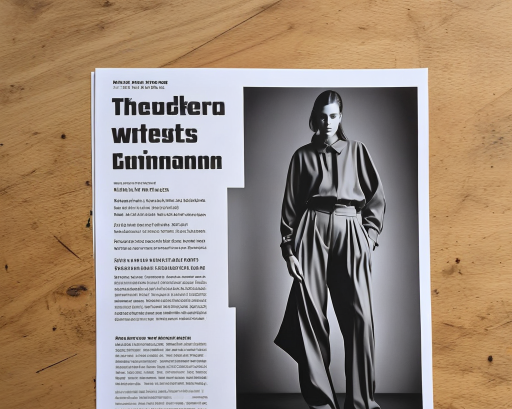
The Art of Ease: How the Oversized Silhouette Conquered Fashion
 admin
admin
For decades, fashion was often synonymous with structure, tailoring, and a certain form of constraint. Shoulders were padded, waists were cinched, and silhouettes followed the body’s lines with precision. Then, a quiet revolution began to swell, one built not on restriction, but on liberation. Enter the oversized silhouette—a style that has evolved from a fleeting trend into a permanent, powerful pillar of modern dressing. More than just wearing clothes that are too big, the oversized aesthetic is a deliberate, artful embrace of volume, proportion, and, above all, comfort. It’s a sartorial statement that rejects the rigid, often unforgiving dictates of traditional fit, offering instead a canvas for self-expression that prioritizes how you feel over how you’re perceived. This article delves into the rise, the rules, and the remarkable staying power of the oversized look.
From Subculture to Spotlight: The Evolution of Oversized
The journey of the oversized silhouette from the fringes to the fashion forefront is a fascinating tale of cultural cross-pollination. Its roots are deeply embedded in the 20th century’s most influential style movements. In the 1920s, the flappers’ dropped-waist dresses offered an early, liberating departure from corseted figures. But the true modern blueprint was forged in the latter half of the century. The post-war zoot suits, with their exaggerated shoulders and wide-legged trousers, were a bold, political statement of identity. Later, the 1980s and 90s saw the style explode from the streets, borrowed from the athletic and hip-hop scenes. Think of the iconic, baggy jeans and oversized jerseys of 90s hip-hop, or the slouchy, borrowed-from-the-boys aesthetic championed by grunge icons. This wasn’t about high fashion; it was about authenticity, attitude, and reclaiming space.
High fashion, however, was paying close attention. Designers like Yohji Yamamoto and Rei Kawakubo of Comme des Garçons pioneered an avant-garde, deconstructed approach in the 80s, using volume and asymmetry to challenge Western ideals of the female form. They presented clothing as art and architecture for the body, not merely as a second skin. This philosophical shift paved the way for the oversized silhouette to be seen as intellectually and artistically credible. Today, the look has been fully integrated, championed by brands from The Row and Jil Sander, with their masterful minimalist volumes, to Balenciaga’s extreme, dystopian proportions. The cycle is complete: what began as a street-level rebellion is now a cornerstone of contemporary design, celebrated for its sophistication and ease.
Mastering the Proportions: The “Method” Behind the Volume
Adopting an oversized silhouette successfully requires a shift in mindset. It’s not about drowning in fabric, but about intentional balancing and clever layering. The goal is to look effortlessly chic, not accidentally sloppy. The key lies in understanding contrast and anchor points.
The Golden Rule of One
The most fail-safe principle is to keep one element of your outfit fitted. If you’re wearing an oversized, slouchy sweater or a billowy blouse, pair it with sleek, straight-leg trousers, slim-fit jeans, or a body-conscious skirt. Conversely, if your bottom half is voluminous—think wide-leg trousers or a maxi skirt—anchor it with a more close-fitting top or a tucked-in tee. This creates a flattering, intentional shape and prevents the look from overwhelming your frame.
Strategic Layering is Your Superpower
Oversized pieces are born for layering. A longline, oversized blazer can be thrown over a thin turtleneck and tailored trousers. A roomy shirt dress can be belted to define the waist or left open as a duster coat over a t-shirt and jeans. The magic happens in the interplay of textures and lengths. Play with a fitted base layer, a fluid middle layer, and a structured outer layer for a complex, stylish look that’s perfect for transitional weather.
Mind the Details
When everything is voluminous, details become crucial. Pay attention to:
- Fabric Weight: Heavier fabrics like wool, denim, and structured cotton hold their shape beautifully when oversized. Light, flimsy materials can look messy.
- Shoulder Seams: For jackets, blazers, and shirts, the shoulder seam should ideally sit just slightly off your natural shoulder. If it’s cascading down your arm, you might have gone too far.
- Accessories: Use accessories to add definition. A statement belt, a structured bag, or chunky boots can ground a fluid outfit and add a point of visual interest.
Beyond the Trend: Why the Oversized Silhouette Endures
The true power of the oversized silhouette lies in its profound resonance with contemporary values. It’s more than a look; it’s a philosophy of dressing. In a world that increasingly values comfort, flexibility, and personal well-being, clothing that allows for movement and breath is a natural fit. The rise of remote work and a more casual approach to dressing has only accelerated its adoption, making the line between loungewear and daywear beautifully blurred.
Furthermore, the oversized silhouette is inherently inclusive. It doesn’t cater to a single body type but offers a flattering, forgiving, and stylish option for a wide range of shapes and sizes. It democratizes style, focusing on the art of the outfit rather than the form underneath. It also aligns with a growing desire for sustainability—well-made, timeless oversized pieces are often wardrobe staples that can be worn season after season, layered in endless ways, and valued for their longevity over fast-fashion fads.
Ultimately, the oversized silhouette represents a mature, confident approach to fashion. It’s the sartorial equivalent of a deep breath—a rejection of unnecessary constriction in favor of freedom. It speaks to a wearer who is comfortable in their own skin, who values substance and ease, and who understands that true style is not about being worn by your clothes, but about wearing them with purposeful, relaxed grace.
Conclusion: Embracing the Space to Breathe
The oversized silhouette has successfully dismantled the old adage that clothes must be tight to be flattering or structured to be chic. It has carved out a permanent and respected space in the fashion lexicon by offering something rare: uncompromising comfort paired with high-impact style. From its rebellious roots to its current status as a hallmark of minimalist luxury, the look celebrates volume, proportion, and personal expression. Mastering it is an exercise in balance and intention, a rewarding way to build a wardrobe that feels as good as it looks. In a constantly moving world, the oversized silhouette stands as a testament to the power of ease, proving that sometimes, the most powerful statement you can make is to simply choose comfort—and look incredibly sophisticated doing it.
