
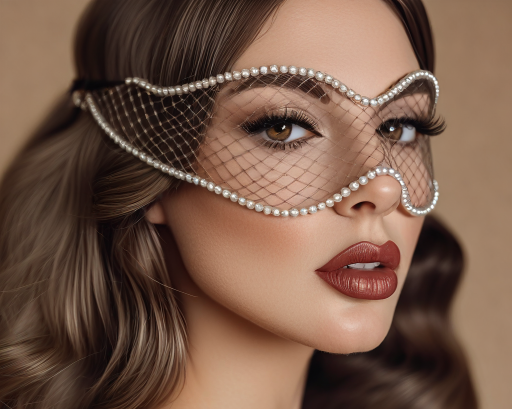
The Art of Allure: Unpacking the Enduring Spell of Vintage Hollywood Glamour
 admin
admin
In our age of casual Fridays, athleisure, and the relentless pursuit of authenticity, the concept of “Vintage Hollywood Glamour” persists not as a dusty relic, but as a powerful, shimmering ideal. It’s more than just a style; it’s a meticulously crafted fantasy, a language of allure spoken in satin and shadow, in a perfectly arched brow and a trail of intoxicating perfume. This wasn’t merely about looking beautiful—it was a full-scale performance of elegance, sophistication, and mystique, engineered by the studio system to transform actors into distant, flawless icons. To understand its enduring appeal, we must journey back to its golden era, the 1930s through the 1950s, when Hollywood didn’t just sell movies; it sold dreams, and glamour was the most potent currency.
The magic of Vintage Hollywood Glamour was no happy accident. It was a carefully orchestrated industrial process. The major studios like MGM, Paramount, and Warner Bros. operated as dream factories, with every aspect of a star’s image—from their on-screen roles to their off-screen appearances—meticulously controlled. Studio heads paired stars with specific designers, photographers, and publicists to create a cohesive, marketable persona. This system birthed the archetypes we still reference today: the sultry bombshell, the sophisticated lady, the girl-next-door, the rugged gentleman. Each archetype came with its own visual code, a sartorial and cosmetic blueprint designed for maximum impact in black-and-white film and, later, in glorious Technicolor.
The Pillars of the Glamour Machine
To deconstruct this iconic aesthetic, we must look at its foundational elements: fashion, beauty, photography, and setting. These were the tools used to build the legends.
The Couture of Fantasy: Fashion as Armor
Costume designers were the unsung architects of glamour. Designers like Adrian (for MGM), Edith Head (for Paramount), and Travis Banton didn’t just dress actors; they sculpted silhouettes that became synonymous with the stars themselves. Think of Joan Crawford’s powerful, shoulder-padded gowns that communicated ambition and strength, or Jean Harlow’s bias-cut satin sheaths that clung and gleamed like liquid metal. For men, it was about the sharp, defining lines of a bespoke tuxedo by the likes of Anderson & Sheppard, worn with an air of effortless cool by Cary Grant, or the rugged, yet perfectly tailored suiting of Clark Gable. This clothing was armor against the ordinary, a visual declaration that the wearer existed in a rarefied world of beauty and drama.
The Face of an Era: Beauty and the “Look”
The Hollywood glamour makeup look was a masterclass in contrast and precision, designed to pop on film. It involved:
- Flawless, Matte Skin: A porcelain base, often achieved with heavy pan-cake makeup.
- Arched and Defined Brows: A high, thin arch, plucked to a dramatic curve, framing the eyes.
- The Smoky Eye: Not the blended version of today, but a defined, often shimmering shadow applied to the lid and extended towards the temple.
- Luscious Red Lips: The ultimate symbol of glamour. Lips were carefully outlined and filled with bold shades of crimson, ruby, or burgundy.
- Perfectly Coiffed Hair: Whether it was Veronica Lake’s peek-a-boo wave, Rita Hayworth’s voluminous red mane, or Grace Kelly’s impeccable blonde chignon, hair was always styled to perfection, often requiring hours of setting and teasing.
This look demanded time and skill, reinforcing the idea that glamour was an achievement, not a casual state of being.
Framing the Gods: The Role of Photography
Portrait photographers like George Hurrell, Clarence Sinclair Bull, and Cecil Beaton were alchemists. In their studios, they used dramatic lighting—sharp chiaroscuro from a single key light, softening diffusers, and strategic backlighting to create halos—to transform actors into gods and goddesses. These photos, often more staged and evocative than film stills, were distributed to magazines and newspapers, solidifying the star’s image in the public’s mind. The poses were dynamic, the expressions intense or smoldering, and the atmosphere thick with suggestion. This wasn’t a snapshot; it was a crafted piece of mythology.
Modern Echoes of a Golden Age
So why does this highly constructed, seemingly antiquated ideal still captivate us? The answer lies in its potent cocktail of fantasy, craftsmanship, and empowerment. In a world saturated with casual, instantly accessible imagery, vintage glamour represents the opposite: intention, effort, and mystery. We see its echoes everywhere.
On the red carpet today, actresses frequently channel Old Hollywood. Think of Angelina Jolie’s leg-baring Atelier Versace gown, a direct nod to Studio Era showmanship, or Zendaya’s Met Gala looks that often reference specific starlets with modern precision. The clean, graphic eyeliner of the 1960s (think Sophia Loren) and the bold red lip remain beauty staples. Furthermore, the modern fascination with “dressing up” and the concept of a curated personal brand on social media are, in essence, democratized versions of the star-making machinery. We may not have studio stylists, but we have the tools to craft our own image, seeking that same transformative power.
Perhaps most importantly, Vintage Hollywood Glamour offers a form of sartorial empowerment. The structured gowns, the sharp tailoring, the definitive makeup—they are uniforms of confidence. To adopt elements of this style is to tap into an aura of self-possession, drama, and unapologetic femininity or masculinity. It’s a reminder that presentation can be an art form and that embracing a certain theatricality can be incredibly powerful.
Conclusion: The Dream Lives On
Vintage Hollywood Glamour endures because it represents the pinnacle of manufactured enchantment. It is a testament to the power of image-making, a beautiful, shimmering lie we willingly choose to believe. In its exaggerated silhouettes, its dramatic contrasts, and its commitment to pure fantasy, it offers an escape from the mundane. While the studio system that created it is long gone, the desire for transformation, elegance, and a touch of magic is not. The next time you swipe on a bold red lipstick, fasten a strand of pearls, or feel the swish of a satin skirt, you’re not just wearing a trend. You’re participating in a legacy, invoking the spirits of silver screen icons, and embracing the timeless, empowering art of allure. The dream, it seems, is still very much for sale, and we remain eager buyers.
